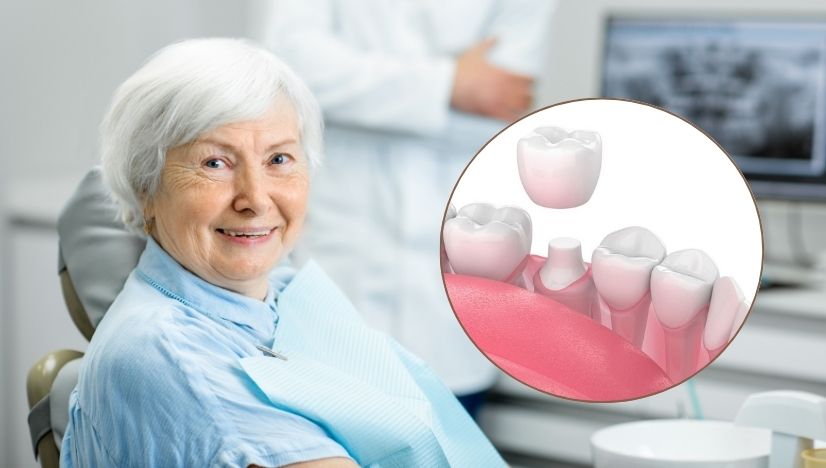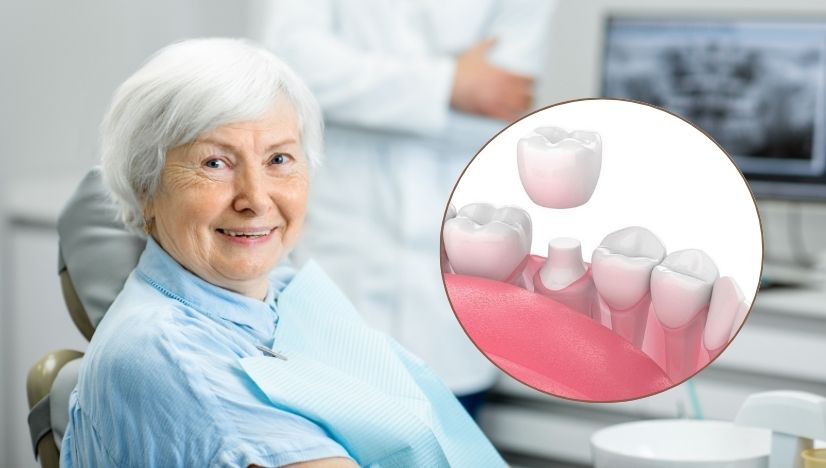
Can Porcelain Crowns Solve Tooth Sensitivity?

Do you wince every time you sip your morning coffee or bite into something cold? Tooth sensitivity can be more than just an annoyance—it can affect your everyday life and confidence. Luckily, modern dentistry offers solutions, and one of the most effective options is a porcelain crown.
At Eldersburg Family Dental, we understand how discomfort from sensitive teeth can impact your daily routine. Let’s dive into how porcelain crowns can help, what to expect, and why they may be the right solution for you.
What Causes Tooth Sensitivity?
Before exploring treatment options, it’s important to understand why teeth become sensitive in the first place. Common causes include:
- Enamel erosion: Acidic foods, beverages, or even teeth grinding can wear down the protective layer of your teeth.
- Cracks or chips: Damaged teeth expose the inner layers, including nerves, to stimuli.
- Receding gums: This exposes the tooth root, which is more prone to sensitivity.
- Large fillings: Older or extensive fillings can weaken the tooth structure.
Living in Eldersburg, many residents enjoy coffee, tea, and seasonal treats—which can all contribute to enamel wear over time. Addressing sensitivity promptly can prevent further complications and preserve your oral health.
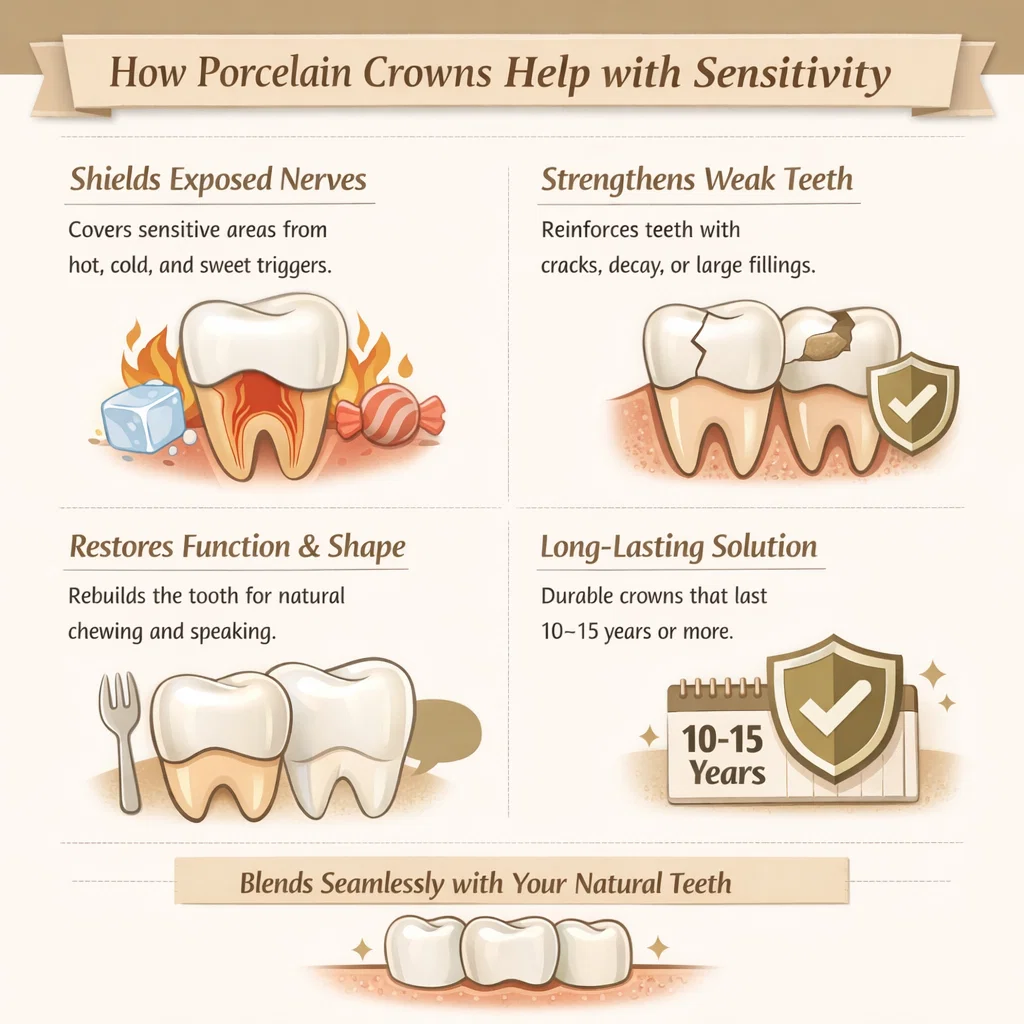
How Porcelain Crowns Help with Sensitivity
A porcelain crown is a custom-made cap that fits over a damaged or weakened tooth. Here’s how it can specifically help with sensitivity:
- Protects exposed nerves: Crowns cover the tooth completely, shielding sensitive areas from hot, cold, sweet, or acidic triggers.
- Strengthens weak teeth: Teeth that have large fillings, cracks, or decay can become more resilient with a crown.
- Restores tooth structure: Porcelain crowns restore natural shape and function, making it easier to chew and speak comfortably.
- Long-lasting solution: With proper care, porcelain crowns can last 10–15 years or longer, offering sustained relief from sensitivity.
Porcelain crowns aren’t just functional—they’re also designed to blend seamlessly with your natural teeth, making them a cosmetic as well as a restorative solution.
The Procedure: What to Expect
Getting a porcelain crown at Eldersburg Family Dental is straightforward, usually completed in two appointments:
- Consultation & Preparation:
- We’ll examine your tooth, take X-rays, and discuss your goals.
- Any decay is removed, and the tooth is shaped to fit the crown perfectly.
- Crown Placement:
- A custom porcelain crown is made to match your natural teeth.
- On your next visit, the crown is cemented securely, restoring strength and reducing sensitivity immediately.
Our patients often notice relief from tooth sensitivity soon after the crown is placed.
Caring for Your Porcelain Crown
Maintaining your new crown is key to long-term relief:
- Brush twice daily with a soft-bristled toothbrush.
- Floss gently around the crowned tooth to prevent gum irritation.
- Avoid chewing excessively hard foods like ice or hard candy.
- Schedule regular check-ups to monitor the crown and overall oral health.
Residents in Eldersburg love enjoying local favorites like baked goods from The Breadery or coffee from Evine Coffee Roasters. With a porcelain crown, you can enjoy these treats without the fear of sensitivity!
When to Schedule Your Appointment
If you’re tired of wincing every time you enjoy a cold drink or bite into your favorite foods, it’s time to take action. Tooth sensitivity doesn’t have to be a permanent inconvenience.
At Eldersburg Family Dental, we specialize in helping patients restore comfort, function, and confidence with custom porcelain crowns. Whether your sensitivity is caused by cracks, enamel wear, or previous dental work, we can evaluate your needs and design the best treatment plan for you.
Book your consultation today and start enjoying meals and drinks without hesitation. Your smile deserves the care and protection only a porcelain crown can provide!
FAQs About Porcelain Crowns and Tooth Sensitivity
Will a crown completely eliminate sensitivity?
In most cases, yes. Porcelain crowns protect the exposed tooth layers and reduce sensitivity significantly. However, some patients may still experience mild sensitivity initially, which usually resolves within a few days.
How long does it take to get a porcelain crown?
Typically, two visits over 2–3 weeks are needed. Some advanced dental practices offer same-day crowns, but traditional methods ensure a perfect fit and color match.
Are porcelain crowns noticeable?
No! Porcelain is designed to match the color, shape, and translucency of natural teeth, making crowns virtually undetectable.
Can crowns protect teeth that have had root canals?
Absolutely. Teeth that have undergone root canal treatment are more fragile, and crowns provide extra strength and protection against sensitivity.