Can You Eat Dairy After Dental Implants? Let’s Clear the Confusion
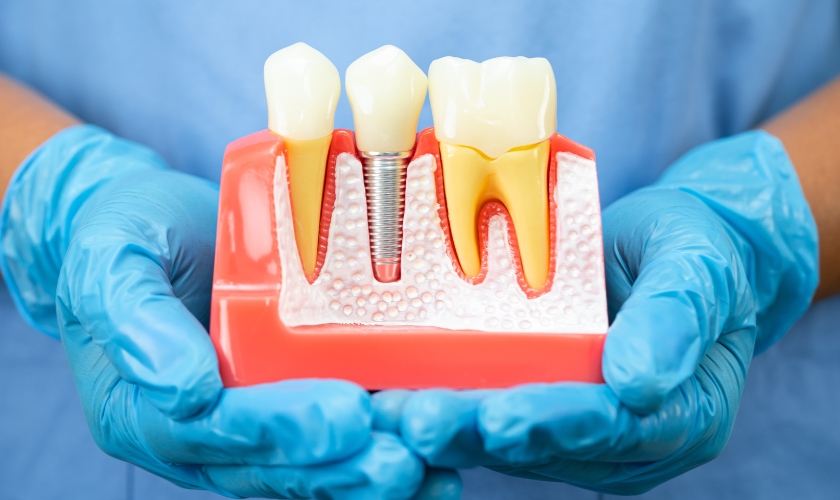
Dental implants are one of the most reliable and long-lasting solutions for missing teeth. But once the procedure is done, most patients find themselves asking the same practical question:
“Can I eat dairy after dental implants?”
It sounds simple, but the answer isn’t a straight yes or no. Your recovery phase plays a big role in what you can safely eat—and dairy falls into a “depends” category.
At Eldersburg Family Dental, we often hear this concern from patients in Eldersburg and nearby communities like Sykesville, Randallstown, and Westminster. So let’s break it down in a clear, practical way so you can heal comfortably and confidently.
Why Your Diet Matters After Dental Implants
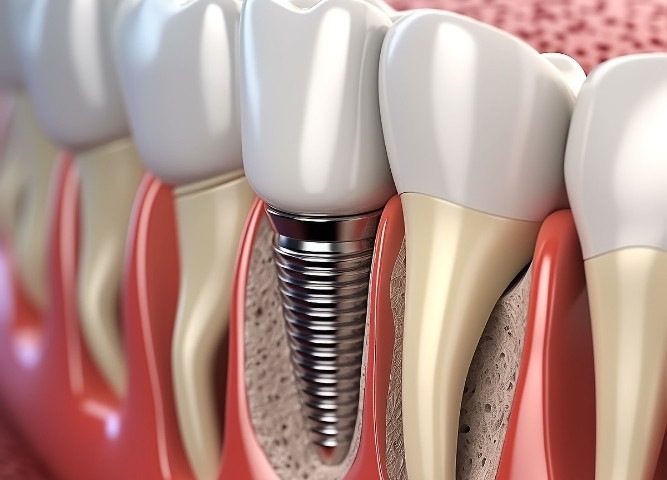
After implant surgery, your body begins a healing process called osseointegration, where the implant fuses with your jawbone. This stage is delicate, especially during the first 24–72 hours.
What you eat directly affects:
- Swelling and inflammation
- Risk of infection
- Healing speed
- Comfort level
That’s why dentists recommend a soft-food diet initially—and dairy often comes up in that conversation.
So, Can You Eat Dairy After Dental Implants?
Yes—but with timing and caution.
Dairy is not strictly forbidden after dental implant surgery. In fact, many dairy products can be helpful during recovery.
However, when and how you consume them matters a lot.
Let’s break it down:
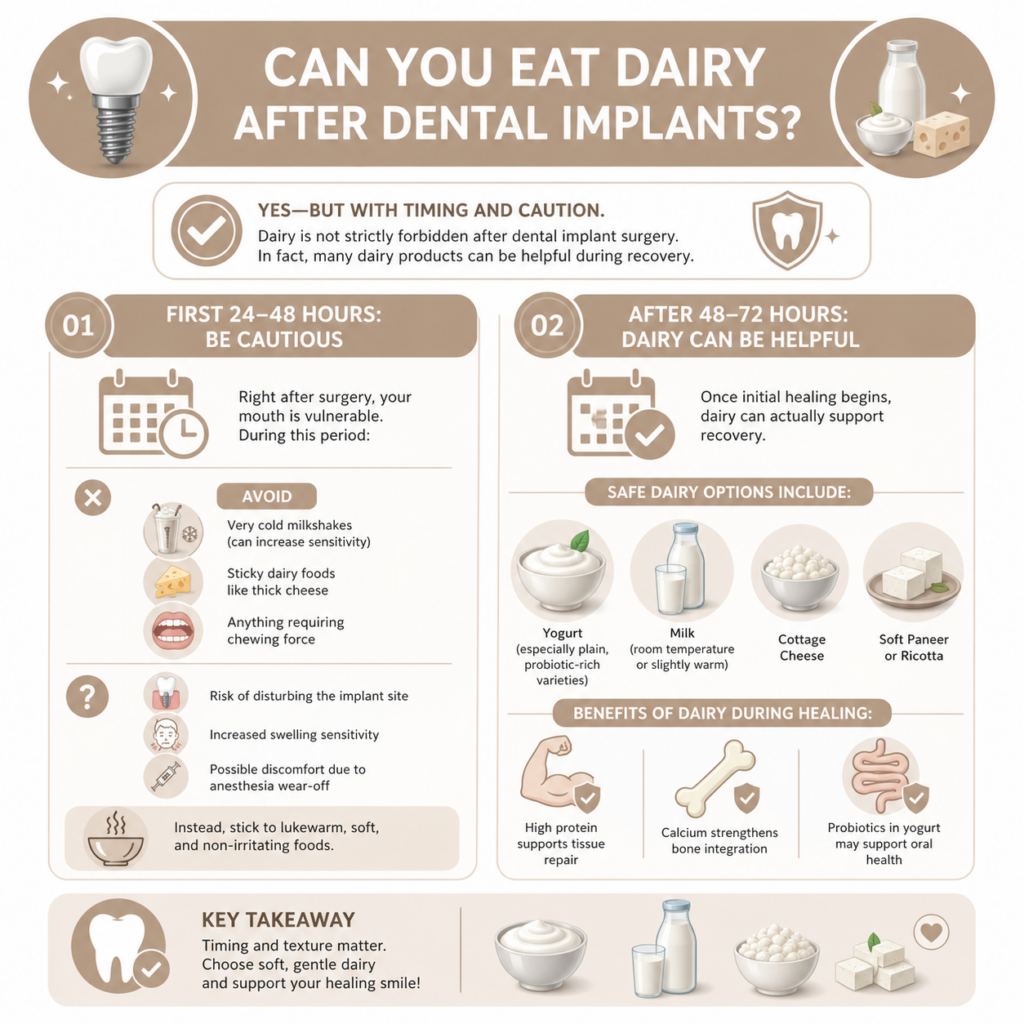
First 24–48 Hours: Be Cautious
Right after surgery, your mouth is vulnerable. During this period:
Avoid:
- Very cold milkshakes (can increase sensitivity)
- Sticky dairy foods like thick cheese
- Anything requiring chewing force
Why?
- Risk of disturbing the implant site
- Increased swelling sensitivity
- Possible discomfort due to anesthesia wear-off
Instead, stick to lukewarm, soft, and non-irritating foods.
After 48–72 Hours: Dairy Can Be Helpful
Once initial healing begins, dairy can actually support recovery.
Safe dairy options include:
- Yogurt (especially plain, probiotic-rich varieties)
- Milk (room temperature or slightly warm)
- Cottage cheese
- Soft paneer or ricotta
Benefits of dairy during healing:
- High protein supports tissue repair
- Calcium strengthens bone integration
- Probiotics in yogurt may support oral health
When to Reintroduce Harder Dairy
After about 5–7 days, most patients can slowly return to regular dairy products like:
- Cheddar or semi-soft cheese
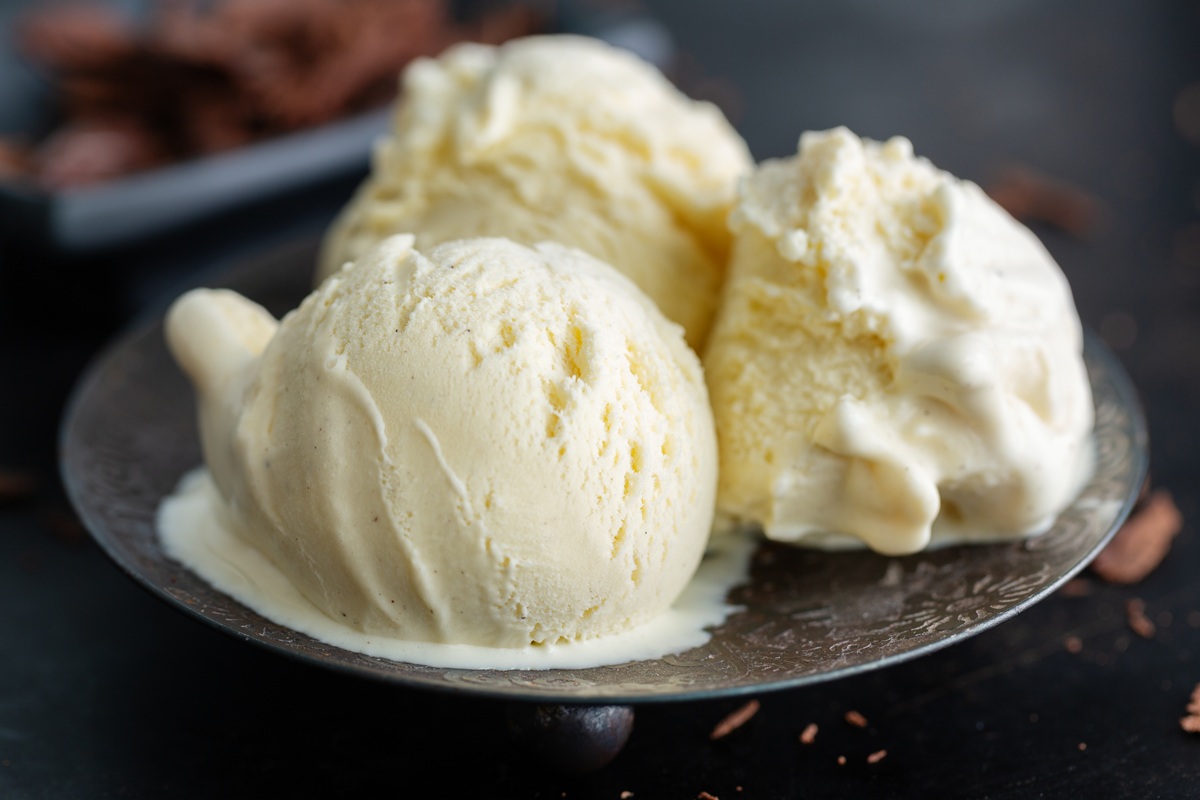
- Ice cream (in moderation)
- Milk-based soups
But still avoid anything:
- Very hard or chewy
- Sticky (like caramel-filled dairy desserts)
- Extremely cold if sensitivity persists
Common Mistakes Patients Make
Even though dairy is generally safe, here are mistakes that can slow healing:
1. Drinking very cold milkshakes too soon
Cold can cause sensitivity and discomfort around the implant site.
2. Using straws
The suction pressure can disturb blood clots and slow healing.
3. Eating cheese that requires heavy chewing
This can put unnecessary pressure on the surgical area.
4. Ignoring hygiene after dairy consumption
Milk and cheese particles can stick around the implant site, increasing infection risk if not cleaned properly.
Pro Tips for Smooth Healing with Dairy
Here are some simple, dentist-approved habits:
- Choose plain yogurt over flavored sugary versions
- Let milk reach room temperature before drinking
- Pair dairy with soft foods like mashed potatoes or eggs
- Rinse your mouth gently after eating
- Maintain good oral hygiene without disturbing the implant area
Why Follow-Up Care Matters
Even if your diet is perfect, implant success depends on professional monitoring.
Regular checkups help:
- Ensure proper healing
- Detect early signs of infection
- Adjust bite pressure if needed
- Improve long-term implant stability
At Eldersburg Family Dental, follow-up care is part of the implant journey—not an afterthought.
Final Thoughts: Eat Smart, Heal Better
Dairy is not your enemy after dental implant surgery—it’s all about timing and moderation. When introduced correctly, it can actually support healing and make recovery more comfortable.
The key is to listen to your body and follow professional guidance instead of guessing.
If you’re planning dental implants or are currently in recovery and unsure about your diet, Eldersburg Family Dental is here to help you every step of the way.
Because a successful implant isn’t just about the procedure—it’s about how well you heal afterward.
Frequently Asked Questions
1. Can I drink milk right after dental implant surgery?
Yes, but only after the first few hours once anesthesia wears off. Keep it at room temperature.
2. Is yogurt good after dental implants?
Yes. Plain yogurt is actually one of the best early recovery foods because it’s soft and rich in probiotics.
3. Can dairy cause infection after implants?
No, dairy itself does not cause infection. Poor oral hygiene after eating, however, can increase risk.
4. When can I eat cheese again after implants?
Soft cheese can usually be eaten after 2–3 days, while harder cheese is safer after about a week.
5. What foods should I avoid with dairy after implants?
Avoid combining dairy with hard, crunchy, or sticky foods during early recovery.