Deep vs Regular Dental Cleaning in Eldersburg, MD
Most patients in Eldersburg know they need a dental cleaning twice a year. But sometimes, a routine cleaning simply isn’t enough. Understanding when your cleaning needs to go deeper than regular in Eldersburg can protect your long-term oral health. Dr. Lisa Patel and the team at Eldersburg Family Dental want to help you know the difference before a small problem becomes a serious one.
What Happens During a Regular Dental Cleaning?
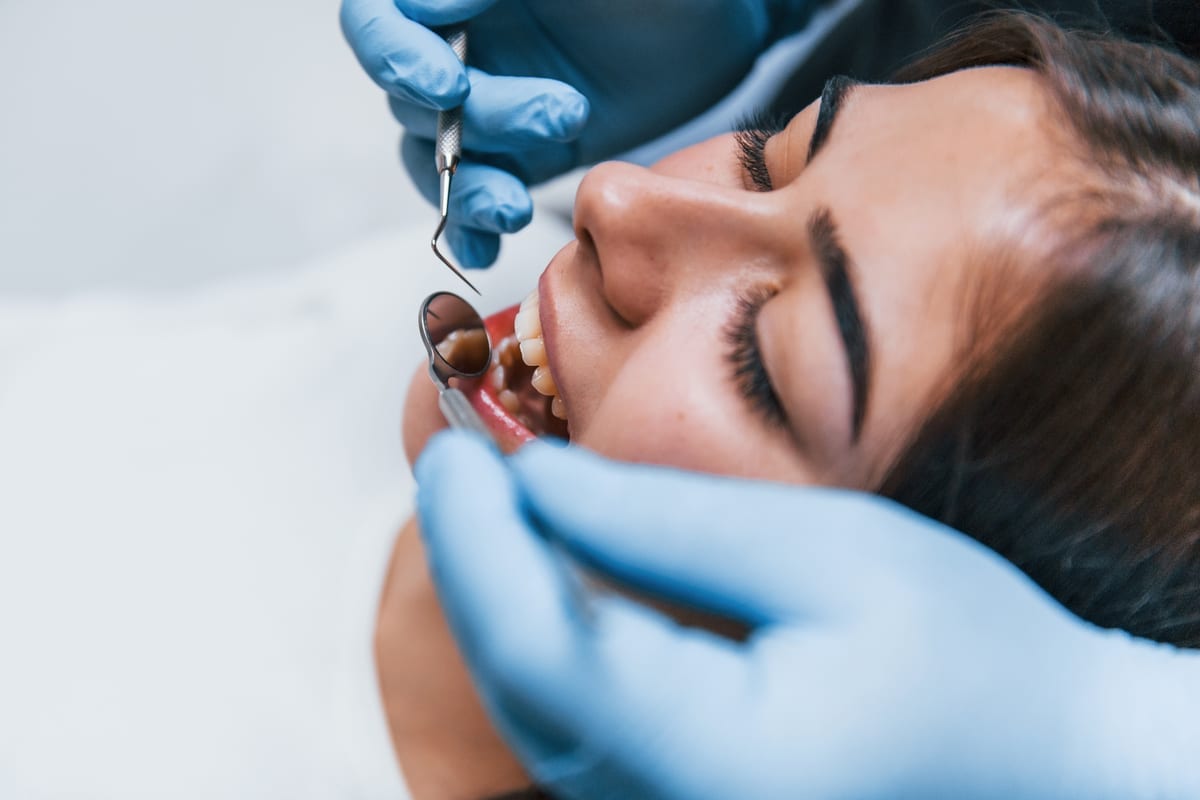
A routine cleaning — called a prophylaxis — removes plaque and tartar from the surfaces of your teeth. It focuses on areas at and above the gumline. Your hygienist also polishes your teeth and checks for early signs of trouble.
This type of cleaning works well for patients with healthy gums. It maintains good oral hygiene and prevents early-stage buildup from hardening. Most patients with no signs of gum disease fall into this category.
Regular cleanings are a cornerstone of preventive care. They help catch problems early, before they require more intensive treatment. Think of them as your first line of defense against gum disease and decay.
When Does Your Cleaning Need to Go Deeper in Eldersburg?
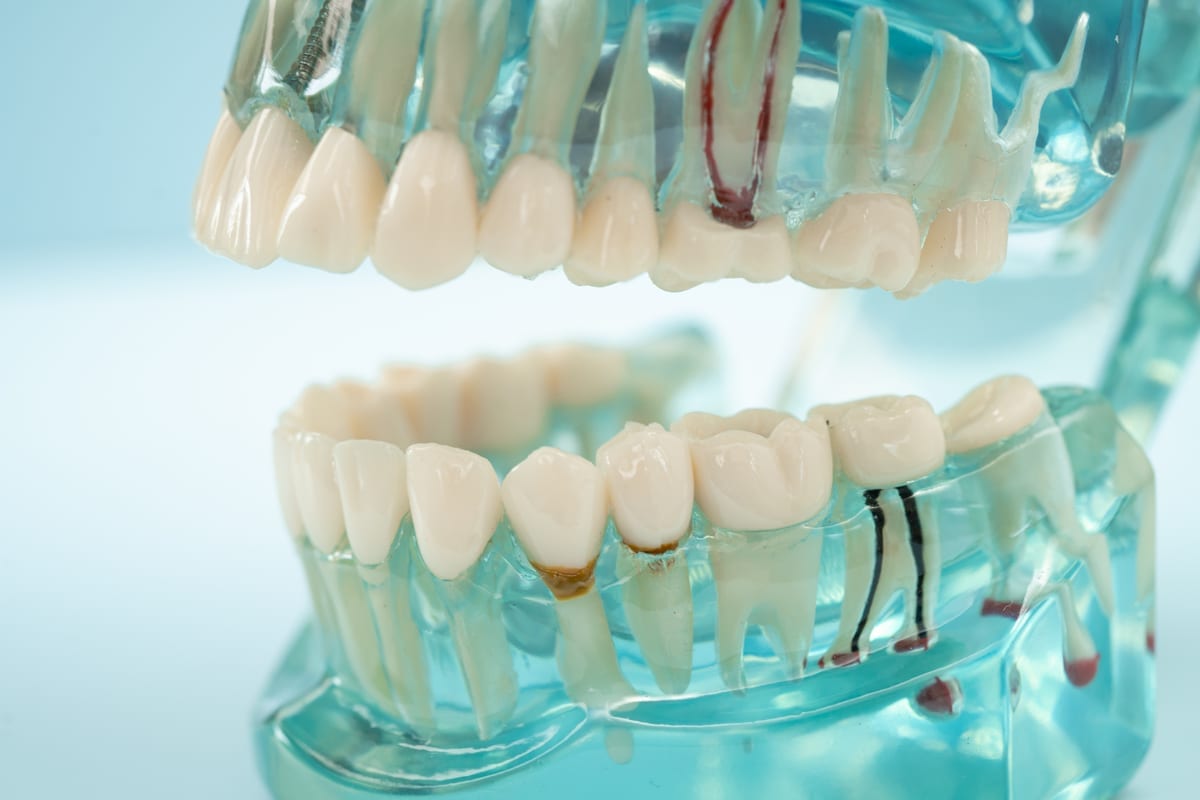
A deeper cleaning — called scaling and root planing — becomes necessary when gum disease has already begun to develop. This condition, known as periodontitis, causes the gums to pull away from the teeth. Pockets form below the gumline where bacteria thrive and cause damage.
Dr. Patel uses a probe to measure these pockets during your exam. Healthy pockets measure 1–3 millimeters. Pockets of 4 millimeters or deeper often signal the need for a deep cleaning.
Signs that you may need a deeper cleaning include:
- Bleeding gums when you brush or floss
- Swollen, red, or tender gum tissue
- Persistent bad breath that doesn’t go away
- Gums that appear to be pulling away from teeth
- Loose teeth or changes in your bite
- Visible tartar buildup near the gumline
If you notice any of these signs, contact your Eldersburg dentist promptly. Early action makes treatment far more effective.
The Clinical Difference: Scaling and Root Planing Explained
Scaling removes hardened tartar — called calculus — from below the gumline. It reaches into the pockets that form between your teeth and gums. A routine cleaning cannot access these deeper areas.
Root planing smooths the surface of the tooth root. This step is just as important as scaling. Rough root surfaces make it easier for bacteria to reattach and continue causing damage.
Here is what the deep cleaning process typically involves:
- A thorough exam and pocket depth measurements
- Local anesthetic to keep you comfortable
- Scaling to remove tartar below the gumline
- Root planing to smooth exposed root surfaces
- A follow-up visit to check healing and pocket depth improvement
The procedure is often completed in two appointments. Each session focuses on one side of the mouth. This approach allows for comfortable recovery and effective results.
Why Skipping a Deep Cleaning Can Be Risky
Gum disease does not go away on its own. Without treatment, it progresses from gingivitis to more advanced periodontitis. Advanced gum disease is a leading cause of adult tooth loss in the United States.
Untreated gum disease can also affect your overall health. Research links it to cardiovascular disease, diabetes complications, and other systemic conditions. Your mouth and body are deeply connected.
Choosing a deep cleaning when recommended is not overtreatment. It is appropriate, targeted care for a diagnosed condition. A regular cleaning performed on a patient with active gum disease simply will not resolve the underlying problem.
Some patients worry the procedure will be painful or invasive. With modern numbing techniques, most patients find it far more comfortable than expected. Dr. Patel takes a gentle, patient-centered approach at every visit.
Maintaining Results After a Deep Cleaning in Eldersburg
After scaling and root planing, your gums need time to heal and reattach to the teeth. You will likely return for a periodontal maintenance visit within a few months. These follow-up appointments are more frequent than routine cleanings — typically every three to four months.
Periodontal maintenance is different from a regular prophylaxis. It includes a reassessment of pocket depths and continued cleaning below the gumline. It keeps the condition stable so it does not progress further.
Good home care is equally essential. Brushing twice daily, flossing, and using an antiseptic rinse all support your recovery. Your hygienist will give you personalized guidance for your specific needs.
Our team also offers a full range of services to support your smile beyond gum health. If you are interested in restoring or enhancing your teeth, explore our Cosmetic Dentistry options. We also offer Emergency Dentistry for urgent dental concerns that cannot wait.
How Dr. Lisa Patel Approaches Your Gum Health
At Eldersburg Family Dental, Dr. Patel evaluates every patient individually. No two mouths are the same, and no two treatment plans should be either. She takes time to explain findings clearly and answer all your questions.
If she recommends a deep cleaning, it is because the clinical evidence supports it. She will walk you through what to expect, what the procedure involves, and how to care for your gums afterward. You will never feel rushed or confused about your care.
The goal is always to help you keep your natural teeth for life. Treating gum disease early makes that goal far more achievable. Patients across Eldersburg trust Dr. Patel for honest, thorough, and compassionate dental care.
Conclusion
Knowing when your cleaning needs to go deeper than regular in Eldersburg can make a significant difference in your long-term oral health. Regular cleanings maintain a healthy mouth. Deep cleanings treat active gum disease before it causes irreversible damage. Both types of care have a place — the key is getting the right one at the right time. Book Now to schedule your appointment with our team.
Frequently Asked Questions
How do I know if I need a deep cleaning or a regular cleaning?
Your dentist will measure the pockets between your gums and teeth during your exam. Pockets deeper than 3 millimeters, combined with signs like bleeding gums or tartar buildup below the gumline, usually indicate the need for a deep cleaning. Only a dental professional can make this determination accurately.
Is a deep cleaning painful?
Most patients are surprised by how comfortable the procedure is. Local anesthesia is used to numb the area being treated. Some mild sensitivity is normal in the days following treatment, but significant pain is uncommon when proper care is followed.
How long does a deep cleaning take?
Scaling and root planing is typically divided into two appointments. Each session covers one half of the mouth and takes approximately 45 to 90 minutes. This approach allows you to recover comfortably between visits.
Can gum disease come back after a deep cleaning?
Gum disease can return if home care lapses or if maintenance visits are skipped. That is why periodontal maintenance appointments every three to four months are strongly recommended after treatment. Consistent care keeps your gums stable and healthy long-term.
Does a deep cleaning affect the appearance of my teeth?
Patients sometimes notice their teeth look slightly longer after treatment. This is because swollen gum tissue has reduced, revealing more of the natural tooth. It is a sign that healing is occurring, not a cosmetic problem. Your smile will look and feel healthier as your gums recover.