Emergency Tooth Care: Stop Pain and Prevent Tooth Loss
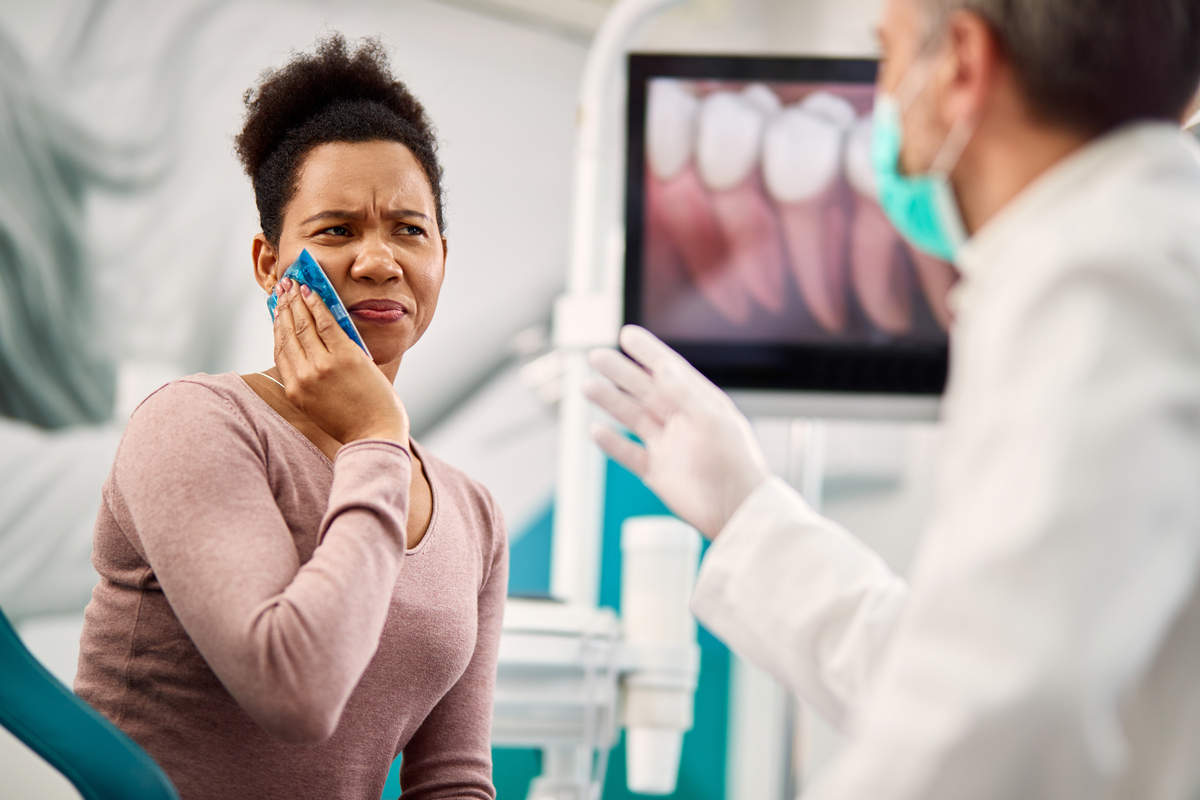
Dental emergencies are frightening; nothing is more hazardous than a sharp toothache or tooth discomfort. Whether you have a tooth injury, a fractured tooth, or a toothache caused by an existing tooth cavity, the discomfort is unbearable. However, the good news is that you can seek immediate dental attention to help you avoid further complications and save the tooth.
When a dental emergency occurs, it is essential to remain calm while taking steps to prevent the problem from worsening. The first few minutes after a dental emergency are vital, as they may affect the outcome. Let’s discuss some dental emergency situations and how emergency care helps alleviate pain and save teeth.
If you live in Eldersburg or surrounding communities and need emergency dental care, call us at (410) 983-6846.
What is an Emergency Dental Situation?
Any dental condition that requires prompt treatment to avert serious pain, tooth loss, or other adverse consequences is an emergency dental problem. They include a knocked-out tooth, a cracked or broken tooth, a toothache, and gum or tissue injury, among others. They require urgent attention from an emergency dentist to avert serious consequences.
If you face a dental emergency, you need to know how to handle it until a professional arrives to assist. In some cases, immediate action is essential to save a tooth.
What To Do When You’re in Pain?
If you are in pain, whether it is caused by an injury or an infection in your tooth, pain relief is your first priority until you can get professional help. Here are some simple ways to relieve tooth pain until an emergency dentist can treat you:
- Cold Compress: Place a cold compress on the outside of your mouth or cheek. This might reduce swelling and ease pain.
- Pain Relievers: Over-the-counter pain relievers, such as ibuprofen, can be effective in lessening the pain.
- Salt Water Rinse: A saltwater rinse can help cleanse the area, especially if an injury or infection is present. Gently swish warm water with salt in it around the area in question.
- Avoid Certain Foods: It is advisable to avoid extremely hot, cold, or sweet foods, as they can irritate sensitive teeth or gums.
Even though these approaches can provide short-term pain relief, it is important to visit an emergency dentist promptly for proper management and to avoid worsening the situation.
Common Dental Emergencies and How To Handle Them
Sometimes dental emergencies occur unexpectedly, leading to pain and discomfort. Taking time to understand what dental emergencies are and how to handle them could make a big difference in your dental health. Let’s take a look at how you can handle this effectively.
Knocked-Out Tooth
A knocked-out tooth is a serious dental emergency that requires urgent attention. The best chance to save the tooth is to receive emergency dental care as quickly as possible, ideally within 30 minutes. If the tooth is clean, rinse it with water and, where possible, insert it into the mouth. However, if this is not possible, the tooth should be placed in a glass filled with milk.
Cracked or Broken Tooth
A broken tooth may cause pain and lead to further complications if left unaddressed. For a cracked or broken tooth, rinse mouth with warm water, and use a cold compress to reduce swelling. It is important not to use the tooth to eat, as this may cause more severe breaks or nerve exposure.
Toothaches and Infections
Any kind of toothache, like one caused by a cavity, infection, or even trauma, should never be taken lightly. It is always important to remember that any toothache has an underlying cause, so it is vital to address the issue as quickly as possible by consulting an emergency dentist right away. Until such time, it is advisable to place a cold compress on the affected area and take pain medication.
Lost Dental Filling or Crown
A dental filling or crown that has fallen out may cause sensitivity or pain. To relieve the pain, use dental wax or a piece of sugar-free gum to cover the tooth. Make sure not to eat on that side of your mouth until you can visit your emergency dentist in Eldersburg.
Injured Soft Tissues (Gums, Cheeks, or Tongue)
Injuries such as those of the gums, cheeks, or tongue may be quite painful and may also bleed. The area must be cleaned with water. Pressure should be applied to the area until the bleeding stops. If bleeding does not stop or if it’s a large wound, it’s wise to consult your emergency dentist for proper healing.
Why You Shouldn’t Wait to See a Dentist
A dental emergency can also lead to severe consequences if not treated promptly. Waiting for the pain to go away or for the problem to resolve on its own can only lead to serious consequences later. For example, if the signs of infection persist, it can spread and lead to serious consequences.
Similarly, if the tooth is cracked or the fillings are loose, it can lead to tooth loss. The sooner you consult a dentist, the better your chances of saving the tooth and preventing long-term consequences.
For individuals in the Eldersburg community, timely access to emergency dentists will help prevent complications, ensuring proper care is provided to maintain one’s oral health.
How Can an Emergency Dentist Help?
When you visit an emergency dentist, your treatment will be evaluated, and the best course of action will be determined. Treatments may include:
- Tooth Reattachment: If the tooth was knocked out, the dentist will try to reattach it.
- Dental Crowns or Fillings: A fractured tooth or one with a cavity may be fixed with a crown or filling.
- Root Canal Treatment: In the event of an infection or damage to the tooth, a root canal may be required.
- Pain Management: Dentists use powerful pain relievers to effectively treat discomfort.
An emergency dentist can provide the relief you need and prevent tooth loss, keeping your oral health in top shape in no time.
Act Fast to Protect Your Smile
Tooth pain and injury are always unexpected incidents and can significantly impact your lifestyle. Whether it is a fractured tooth, severe toothache, or soft tissue injury, it is helpful to know how to deal with such unexpected events speedily.
At Eldersburg Family Dental, our team is committed to providing you with quick, professional service. If you are having a dental emergency, don’t wait; call us at (410) 983-6846 right away. We are ready to relieve your discomfort and help prevent further damage.
Questions People Ask About Dental Emergency
1. What should I do if I knock out a tooth?
If you knock out a tooth, try to place it back into the socket or keep it moist in milk or saline solution. See an emergency dentist within 30 minutes for the best chance of saving the tooth.
2. Can I wait if I have a toothache?
Toothaches often indicate an underlying problem, such as infection or decay. Delaying treatment can lead to more severe issues. Contact an emergency dentist to prevent further complications.
3. How can I relieve pain from a broken tooth?
Apply a cold compress to the outside of your cheek to reduce swelling. Avoid chewing on the broken tooth and see an emergency dentist as soon as possible for treatment.
4. What happens if I don’t address a lost filling or crown?
If you lose a filling or crown, it can cause sensitivity and lead to further decay or infection. Visit an emergency dentist for a quick solution to prevent the problem from worsening.
5. What should I do if my gums are bleeding after an injury?
Gently rinse your mouth with warm water to clean the area. Apply pressure with a clean cloth to stop the bleeding and contact an emergency dentist if the bleeding doesn’t stop or if there’s significant damage.
6. Can I treat a cracked tooth at home?
While you can temporarily manage pain with a cold compress, a cracked tooth requires professional care to prevent infection and further damage. Visit an emergency dentist as soon as possible for treatment.