How to Protect Your Dental Crown with Everyday Habits
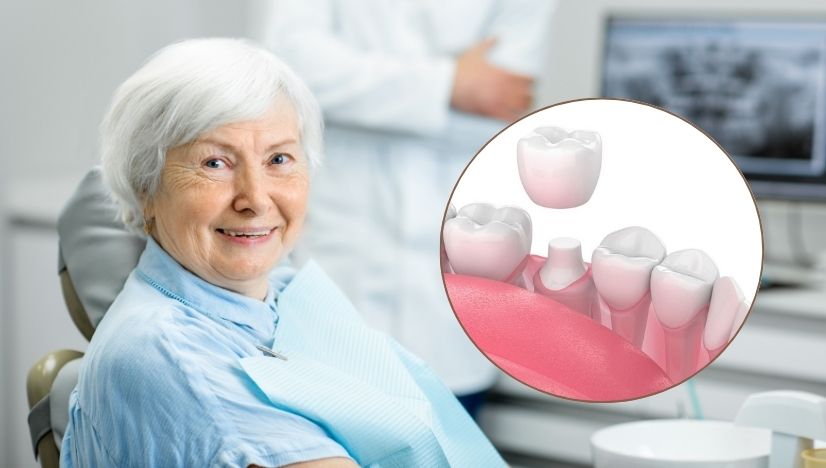
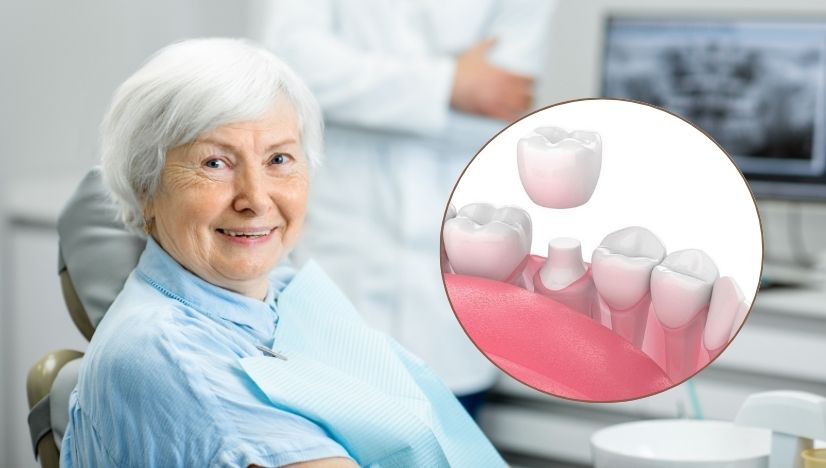
Because dental crowns are intended to protect and restore damaged teeth, they are an ideal and efficient option for tooth restoration. If you’ve just received a dental crown or have had one for some time, you must make sure you take good care of it, as proper maintenance will help keep your crown looking its best and functioning well. Dental crowns blend seamlessly with your natural teeth, enabling you to smile confidently while protecting your tooth from further damage.
Maintaining proper oral hygiene with a dental crown is important. If you reside in Eldersburg and have just had a dental crown placed on your tooth, you may be wondering how to maintain the investment you are making in it. While crowns are durable, they can and will be damaged through neglect and the accumulation of food debris and bacteria around your dental crown. By following simple daily routines, you can ensure your dental crown stays in excellent working order and lasts a long time.
If you have received a new dental crown, or if you want to learn how to protect it with your oral care better, contact us for an appointment to explore how we can assist you in maintaining your beautiful smile!
Practice Proper Oral Hygiene
You must practice good dental habits for both your natural teeth and dental crowns. Every time you brush and floss your natural teeth, you should also brush and floss your dental crown. Food particles and germs build up food debris and bacteria around the dental crown. Therefore, if you do not take care of the surrounding area of your dental crown, you may develop gum disease, tooth decay, or a failed dental crown from not properly cleaning your dental crown.
To prevent this from occurring, here are some tips for properly caring for dental crowns in Eldersburg:
- Brushing Twice Daily: It is best to brush your dental crown twice daily with a fluoride-based toothpaste and a soft-bristle toothbrush to thoroughly clean the crown and the surrounding area. Taking these actions helps prevent plaque accumulation and maintain healthy gums.
- Floss Daily: Flossing is crucial in cleaning the area around your crown. It’s essential to remove food particles and plaque that can accumulate between the crown and the gum line.
- Use an Antibacterial Mouthwash: An antibacterial mouthwash can help reduce the risk of infection and keep your mouth fresh.
Incorporating these habits into your daily routine can help protect your dental crown from harmful bacteria that could cause problems down the line.
Be Mindful of What You Eat and Drink
Although dental crowns can withstand daily activities, they still have restrictions on what can be consumed while wearing one. If you want your crown to last longer, watch what you eat.
- Avoid Chewing Hard Foods: Ice and hard candy are hard substances that can chip a crown or cause it to slip off completely. Opt for soft foods, such as cooked vegetables, pasta, and tender meats.
- Limit Staining Foods and Drinks: Coffee, tea, and red wine can stain your crown over time. While porcelain crowns are resistant to staining, they are still susceptible to discoloration with excessive exposure to these substances.
- Limit Sugary and Acidic Foods: Sugar and acid-containing foods and drinks can cause an acidic reaction around the dental crown, weakening the bond between the tooth structure and the crown.
By being mindful of what you eat and drink, you are taking a proactive step to preserve your dental crown.
Protect Your Crown from Injury
Dental crowns in Eldersburg can withstand a lot, but they aren’t invulnerable to physical damage. Protecting your crown from injury is essential, especially if you’re someone who participates in sports or tends to grind your teeth at night.
- Wearing A Mouth Guard: You need to wear a custom-made mouthguard if you are going to play sports or participate in any other activities where there is a possibility of being hit in the mouth. This is the easiest way to protect your crown from impact and injury.
- Grinding Your Teeth: Most people do not realize that they are grinding their teeth at night. If you grind your teeth while you sleep, you can cause damage to your crowns. If you are experiencing jaw pain or worn-down teeth, it is time to speak with your dentist about getting a night guard to prevent further damage to your crowns.
By being proactive in protecting against physical damage, you can help prevent unnecessary wear and tear on your dental crowns.
Regular Dental Visits are Key
Regardless of an individual’s oral health practices, they should always schedule regular dental appointments. During these appointments, dentists will:
- Check the Fit of Your Crown: Many crowns have been adjusted for looseness and wear in the past. An adjustment to the crown is the best way to maintain the proper fit.
- Ensure the Health of Your Underlying Tooth: Crowns cover the underlying tooth, but you still need to assess its overall health. The dentist will examine the tooth for any signs of decay, disease, or damage that may interfere with the crown.
- Professional Cleaning: Scheduled professional cleanings help eliminate plaque and tartar buildup that a patient may not be able to remove effectively with regular brushing and flossing. Dentists will also polish the crown during the professional dental cleanings to maintain its shine.
By continually scheduling professional dental appointments at Eldersburg Family Dental, patients will be better able to keep their crowns and keep their mouths healthy.
Final Thoughts: Take Care of Your Crown
With a few simple steps, you can adequately care for your dental crown and keep it looking great for many years. Good dental care habits and nutrition, protecting your crown from damage, regular dental care, and being mindful of its protection will all help extend its life.
At Eldersburg Family Dental, we are also here to provide individualized advice and care to help you maintain your dental crowns in Eldersburg and your beautiful smile.
FAQs
What is the average lifespan of a dental crown?
Most dental crowns have an average lifespan of 10-15 years, depending on how well they are maintained and the material used. To extend the life of your crowns, it is essential to keep them regularly.
Can I whiten my dental crown?
Dental crowns cannot be whitened because they do not absorb bleach. If your dental crown becomes stained, your dentist may recommend replacing it or polishing it.
Is it common for dental crowns to become loose?
If you experience any looseness or discomfort with your dental crown, you should see your dentist right away. If a dental crown is not secure, it can allow bacteria from your mouth to enter the tooth, causing additional damage to its underlying structure.
Can I repair a cracked dental crown?
While some dental crowns can be repaired after cracking, your dentist will most often recommend a new one for both function and appearance.
What are some signs that my dental crown has been damaged?
Some signs that your dental crown has been damaged include discomfort or difficulty chewing, or a visible crack in the crown. If any of these occur, schedule an appointment with your dentist to be examined and evaluated for potential treatment options.
Can I chew gum while wearing a dental crown?
The best practice is to avoid chewing sticky gum, as it can exert excessive pulling force on the dental crown, leading to pain or discomfort. If you do choose to chew gum, select a sugar-free option.
Will insurance cover dental crowns?
Most insurance companies provide financial assistance for dental crowns under their restorative dentistry benefits. Please consult your insurance provider to determine which coverage applies to your specific restoration procedure.