When Tooth Pain Becomes an Emergency: Root Canal Warning Signs

Tooth pain can come about suddenly, often leading an individual to wonder whether the pain they’re feeling is indicative of a more severe issue or if the pain is only temporary and will eventually pass. If someone has tooth pain that keeps worsening, you should consider scheduling an appointment with your dentist. In certain instances, this pain could indicate that there is a serious condition present and will need an advanced method of treatment, including root canal therapy. Being aware of the warning signs that indicate when tooth pain becomes an emergency will help you take action to reduce the risk of additional complications.
If you need assistance preserving your smile or maintaining good dental health, contact Eldersburg Family Dental or Call Us at (410) 983-6846. Don’t let the pain get worse—schedule an appointment now.
What Is a Root Canal?
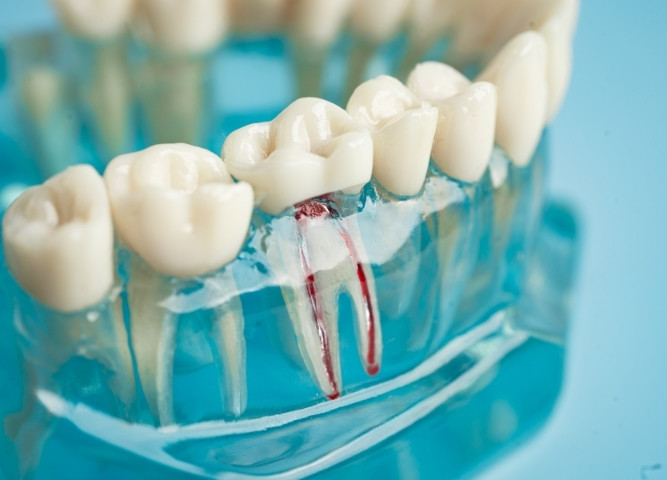
Before discussing the warning signs of a tooth that has been damaged beyond repair, we will define root canal therapy. A root canal procedure is considered an endodontic therapy that removes infected or damaged pulp tissue from inside a tooth. Root canal therapy is used to save the affected tooth and help prevent the infection from spreading to other teeth or tissues of the mouth.
It is critical to save a tooth that has sustained damage to its nerve or pulp tissue from decay, trauma, or an existing infection. Therefore, professional root canal treatment in Eldersburg has proven highly beneficial for patients who want to preserve their natural teeth.
Warning Signs You Might Need a Root Canal
If you’re experiencing persistent, worsening tooth pain, it may be a sign that you need root canal treatment. Here are a few warning signs to watch for:
1. Severe Tooth Pain
A steady pain or quite frequent, intolerable pain in your tooth is one of the key indicators that you will likely need root canal treatment in Eldersburg. Pain that feels like a deep, deep ache or throbbing that doesn’t subside may mean the tooth’s nerve is affected. Pain may be worse while chewing or minimizing pressure on a tooth.
2. Sensitivity to Heat or Cold
Increased sensitivity to hot and cold temperatures can also indicate an issue. If you find that hot beverages or cold air trigger sharp, lasting pain in your tooth, it could be a sign that the nerve inside the tooth is damaged or infected. This type of sensitivity doesn’t usually go away and can become worse over time.
3. Swelling or Pain in the Gum or the Area of the Tooth
Swelling in this area of concern typically indicates that an abscess may form due to an infected tooth, which can cause swelling or pain in your gum. At times, if a tooth becomes discolored or develops a bad taste (usually sour or rotten), it may indicate a problem with the tooth. Swellings are typically what make your bite painful or make chewing painful, and they are also uncomfortable to press against.
4. Tooth Discoloration
Tooth discoloration or darkening compared to neighboring teeth may show that damage has occurred to the pulp of the tooth. The tooth may take on a grayish or brown color as it becomes infected or traumatized. If you witness tooth discoloration, refer to your general dentist in Eldersburg immediately for examination and treatment.
5. Pimple-Like Bumps on the Gums
If you observe an abnormally small pimple-like bump on or around the area where your painful tooth is located, this may suggest an abscess developing. Abscesses arise from the spread of infection from the infected pulp to the surrounding soft tissue. If you notice pus leaking from a bump, it indicates the cause is ongoing and that you require professional dental treatment.
6. Tenderness in Nearby Gums
If you experience tenderness in your gums or swelling of a particular tooth, then there is likely an issue affecting your gums. Gum tenderness that persists despite proper oral hygiene likely indicates worsening underlying conditions, and a root canal may be warranted.
Why You Shouldn’t Wait to Get Treatment
If you show the above symptoms, do not delay in seeing your dentist, as an untreated dental infection can spread to other areas. This will create additional problems for you and increase the symptoms you are experiencing. If you delay seeking treatment, you may lose your tooth, and in some cases, the infection may spread into your jaw. This would then necessitate more intensive treatment.
Early Intervention is Key
The sooner you get help, the better the chance your dentist will have to save your tooth. By scheduling an appointment with a general dentist in Eldersburg, you will minimize your pain and potential future complications, allowing you to begin healing from your dental condition as soon as possible.
Conclusion: Don’t Ignore the Pain, Get Help Now
Root canal treatment in Eldersburg can help you save your tooth and reduce the pain associated with the infection. If you are experiencing constant tooth pain, are sensitive to heat or cold, or have any other symptoms that indicate a dental disease, you must get help as soon as possible.
FAQs
What happens during root canal therapy?
Root canal therapy is a procedure that removes infected dental pulp from a tooth. After removing the infected pulp, the area is cleaned and sealed to prevent reinfection.
Is root canal therapy painful?
With newer techniques and anesthesia, most root canals are no more painful than a routine filling. Most patients do not feel any pain or discomfort during the procedure.
How long does root canal therapy take?
Most root canal treatments will take about 1-2 hours, depending on how complicated your particular case is.
What will I feel after root canal therapy?
After your treatment, you should experience mild discomfort for a few days, but nothing else serious. Your doctor will provide you with specific instructions for caring for yourself after your procedure.
Can a tooth become reinfected after root canal therapy?
While this is very unusual, it can occur. Please follow your doctor’s instructions for home care to help prevent reinfection.
How can I prevent needing a root canal?
The best way to avoid a root canal is to practice good brushing, flossing, and eating habits, see your general dentist in Eldersburg for regular dental check-ups, and treat any cavities. At the same time, they are still small to avoid the need for root canal therapy.
Is a root canal better than tooth extraction?
Extraction is more complicated than a root canal. Root canal treatment keeps the natural tooth alive, whereas extraction typically requires a more complex restoration, such as an implant or bridge. Consult with your dentist about your options.