When Is a Porcelain Crown Needed? Signs You Shouldn’t Ignore

Have you ever caught yourself chewing on one side of your mouth because the other feels off? Or noticed a tooth that looks darker, cracked, or just not quite right anymore? These small changes are easy to brush off—especially when life is busy. But in many cases, your tooth may be asking for protection before a bigger problem develops.
A porcelain crown is often recommended when a tooth is no longer strong enough to function on its own. Knowing when it’s needed can help you avoid discomfort, emergency visits, and more complex dental treatment down the road.
At Eldersburg Family Dental, we help patients catch these warning signs early, offering personalized care focused on protecting your smile before small concerns turn into bigger dental issues.
What Does a Porcelain Crown Actually Do?
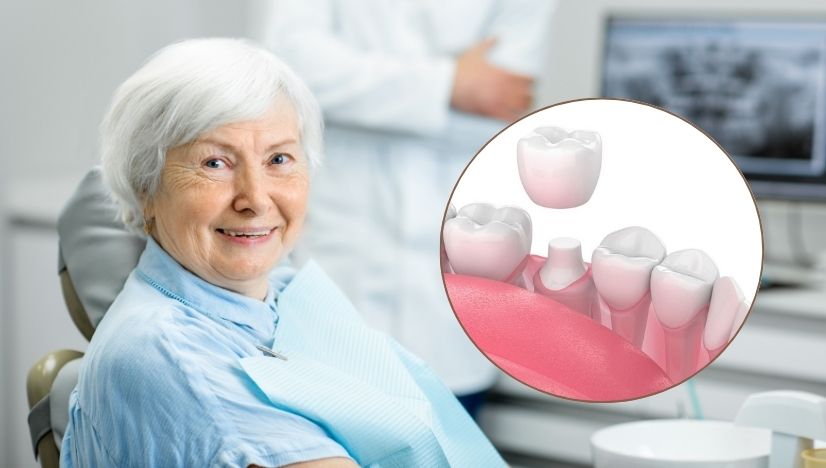
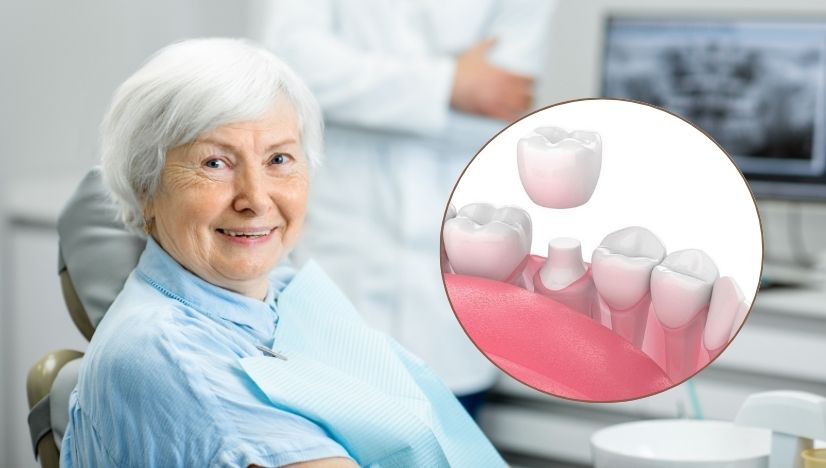
Think of a crown as a protective cap placed over a damaged or weakened tooth. It restores the tooth’s shape, strength, and appearance, allowing you to bite, chew, and smile with confidence again.
Unlike large fillings that only replace part of the tooth, a porcelain crown covers it entirely—making it ideal when structural support is compromised.
Warning Signs a Tooth May Need a Crown
1. You Have a Cracked or Chipped Tooth
Teeth can crack from everyday things like chewing ice, grinding at night, or even biting into something unexpectedly hard. Minor chips may seem harmless, but cracks can deepen over time, especially with temperature changes common during Maryland winters.
If you feel sharp pain when biting or notice sensitivity that wasn’t there before, it’s time to get it checked.
2. A Large Filling Is Failing
If more filling than natural tooth remains, that tooth is more likely to fracture. Crowns are often recommended when an old filling starts loosening, cracking, or causing discomfort.
This is especially common for molars that handle most of the chewing force.
3. Persistent Tooth Sensitivity or Pain
Sensitivity that lingers—especially to hot or cold—can indicate underlying damage. While not every sensitive tooth needs a crown, ongoing discomfort often points to weakened enamel or internal cracks that need reinforcement.
4. Your Tooth Looks Worn Down or Misshapen
Grinding (bruxism) is more common than many people realize, particularly during stressful periods. Over time, it can flatten teeth, change your bite, and cause jaw discomfort.
A crown can rebuild the tooth’s natural height and help protect it from further wear.
5. You’ve Had a Root Canal
After a root canal, the tooth becomes more brittle. Without a crown, it’s at higher risk of breaking—even during normal chewing. That’s why crowns are often part of the final step in restoring the tooth’s long-term function.
Why Acting Early Matters
Delaying treatment can turn a manageable issue into a dental emergency. A small crack today can become a split tooth tomorrow—sometimes requiring extraction.
Early intervention with a crown:
- Prevents further damage
- Reduces the risk of infection
- Helps maintain your natural bite
- Avoids more extensive (and costly) procedures
What to Expect During the Crown Process
Here’s a simple overview to ease any concerns:
- Evaluation: Your dentist examines the tooth and takes X-rays if needed
- Preparation: The tooth is gently reshaped to fit the crown
- Temporary Crown: Protects the tooth while the permanent crown is created
- Final Placement: The custom crown is bonded securely and adjusted for comfort
The goal is to restore your tooth so it feels natural—often better than before.
When Should You Call the Dentist?
Don’t wait for severe pain. Consider scheduling an appointment if you notice:
- Pain when chewing
- Sensitivity that doesn’t fade
- Visible cracks or darkening
- A loose or damaged filling
Early care often means simpler solutions.
If something doesn’t feel right with your tooth, it’s worth listening. Addressing the signs early can save you time, discomfort, and stress later on.
To learn whether a porcelain crown call us at (410) 983-6846 today. A healthier, more comfortable smile may be just one visit away.
Frequently Asked Questions
Can a porcelain crown prevent a tooth from breaking?
Yes. A crown reinforces weakened teeth and helps prevent cracks from spreading, reducing the risk of more serious dental problems later.
Is a porcelain crown always necessary for damaged teeth?
Not always. Minor damage may be treated with fillings or bonding. A dental exam helps determine whether a crown is the best option for long-term protection.
What happens if I delay getting a recommended crown?
Delaying treatment can lead to worsening damage, increased pain, infection, or even tooth loss, often requiring more complex care.