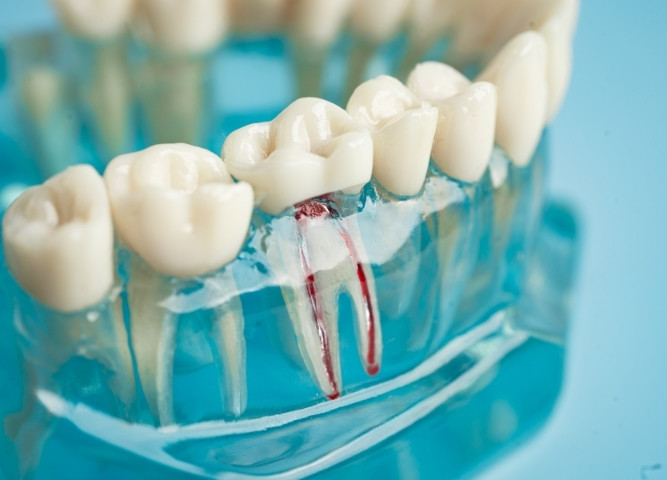
Don’t Lose Your Tooth: How Root Canals Keep Your Smile Intact


When you’re dealing with a toothache, it’s not uncommon to delay visiting the dentist. After all, nobody likes the hassle of dental work. However, if your tooth is infected or heavily damaged, a root canal may be one of the best ways to save it and keep your smile intact. This virtually ridged procedure has saved thousands of patients from needing to have teeth extracted, allowing them to keep their natural teeth for up to a decade.
A root canal is not only a procedure that relieves you of pain but also allows you to maintain your natural tooth structure. If you’ve been suffering from chronic dental pain or decay, this treatment could be your solution to preserving a beautiful smile. It’s frequently the difference between keeping your tooth and requiring a more invasive procedure, such as extraction. Literally providing you with peace of mind, knowing everything there is to know about root canals.
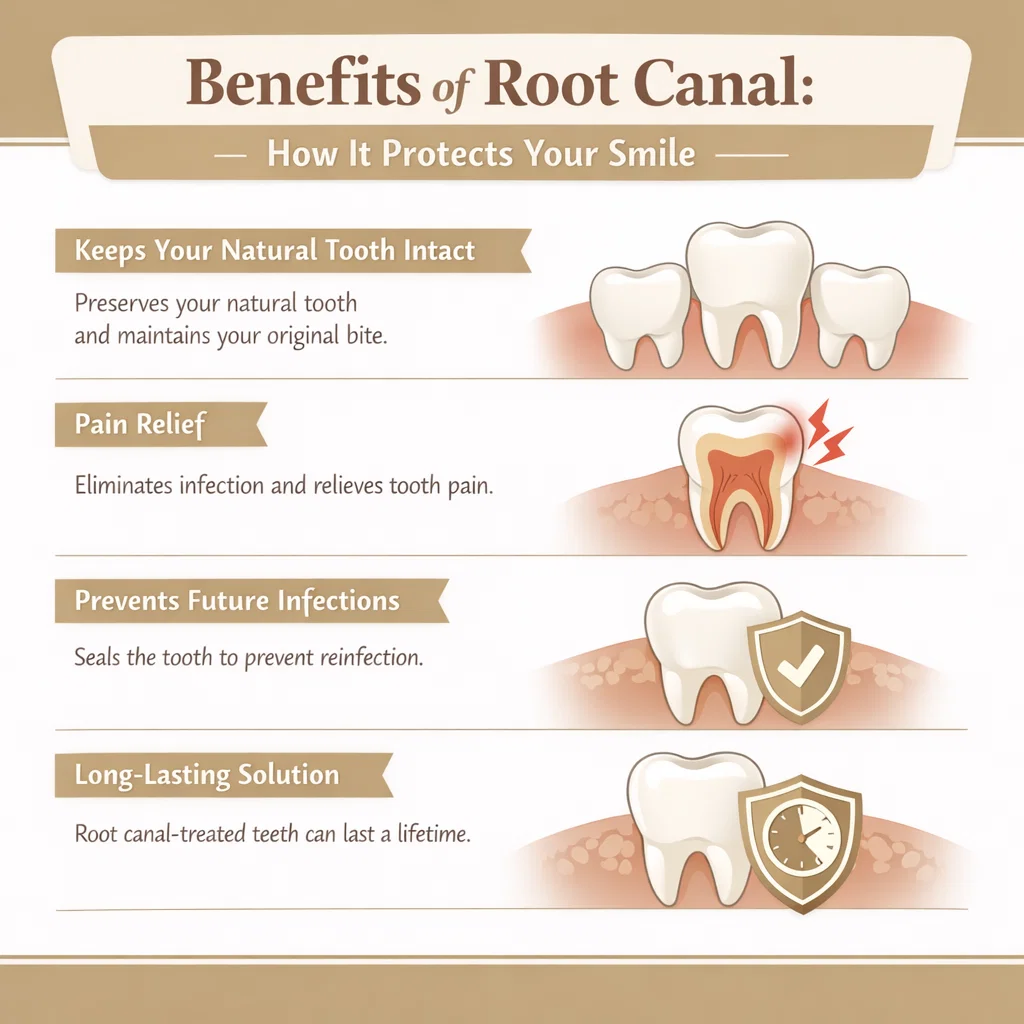
Benefits of Root Canal: How it Protects Your Smile
Root canal treatment preserves your natural tooth, relieves pain, and prevents further infection. Here are some key benefits of undergoing this treatment:
- Keeps Your Natural Teeth Intact: The most significant benefit of root canal treatment is that it preserves your natural tooth, helping to avoid changing your bite and complications with surrounding teeth down the line.
- Pain Relief: A root canal treats the infection causing pain, providing long-term relief.
- Prevents Future Infections: By eliminating the infected pulp and sealing the tooth, a root canal decreases the risk of reinfection.
- Permanent Solution: When properly cared for, root canal-treated teeth can last a lifetime; they are a more durable option than tooth extraction and replacement.
Why Should You Go for a Root Canal Treatment?
Opting for root canal treatment can help you avoid numerous complications in the future. If tooth decay is not treated, the infection can spread to surrounding teeth and into the bone. This procedure essentially kills the infection so it cannot impact the rest of your oral health. Also, a root canal treatment allows you to save the structure of the tooth, so you would not require complex treatments in the future, such as implants or bridges.
The success rate for root canal procedures is very high, with most patients remaining satisfied over the long term. By acting swiftly, you can halt the infection in its tracks, saving your tooth and preserving your smile.
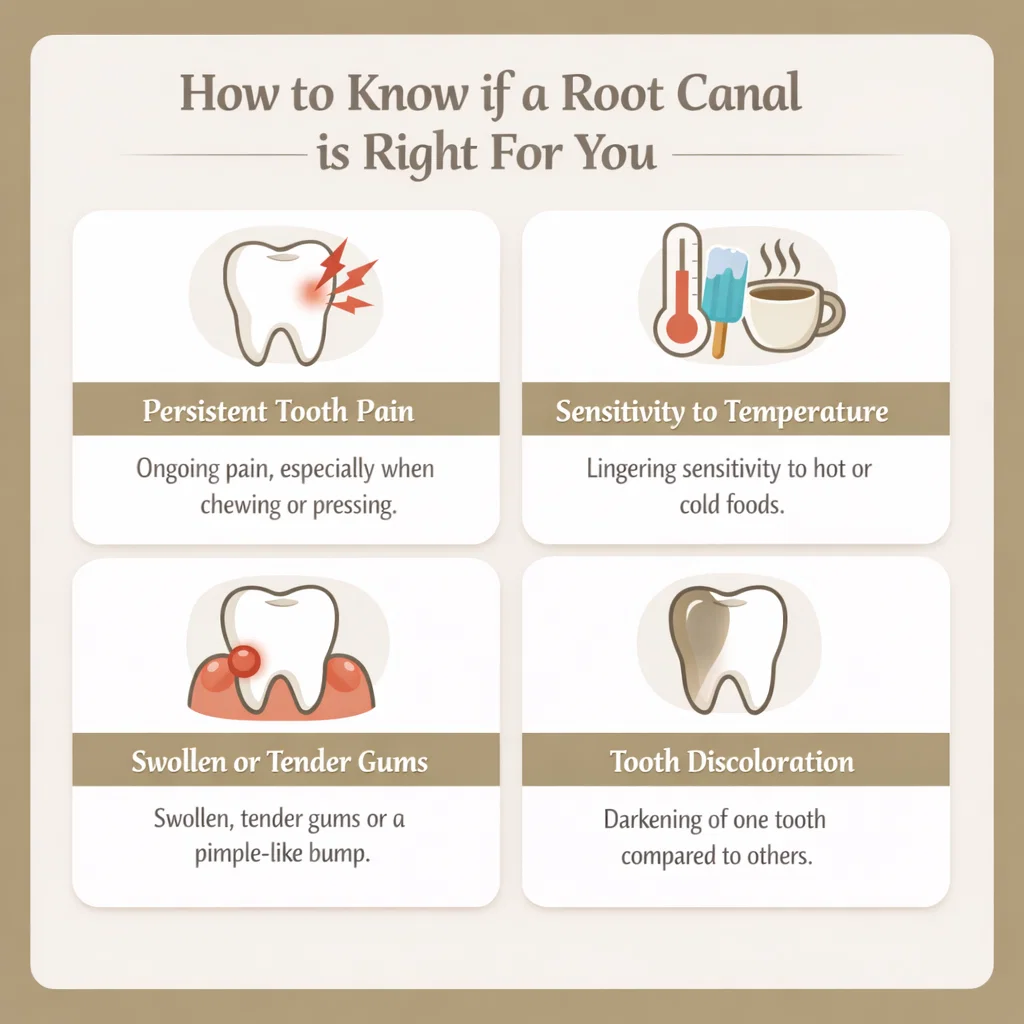
How to Know if a Root Canal is Right For You
If you’re dealing with chronic pain or discomfort in a tooth, it could mean that you need a root canal. Knowing the signs early will allow you to prevent more significant damage and save your natural tooth! Here are some common indicators:
- Persistent Tooth Pain: Persistent or pulsating tooth pain, particularly when chewing or pressing on the tooth, is usually an indication that the tooth’s pulp has been damaged or infected.
- Sensitivity to Temperature: An increased sensitivity to heat or cold that persists long after exposure may indicate an issue deep in the tooth.
- Swollen or Tender Gums: If the gums around the broken tooth are swollen or tender, or if there’s a pimple-like bump on them, it may suggest an infection that needs treatment.
- Discoloration of the Tooth: One reason for darkening or discoloration of a single tooth is damage to the pulp.
If you find any of these signs, contact your dentist as soon as possible for an assessment.
What Happens During a Root Canal?
A root canal is a type of treatment performed to save an affected or decaying tooth by removing the damaged pulp and sealing the tooth. While it may sound intimidating, the treatment is simple and helps to relieve pain and infection for good.
- Examination & Planning: The dentist or endodontist will assess the affected tooth to determine if a root canal is necessary.
- Removing the Infected Pulp: The dentist creates a small opening in the tooth to gain access to the pulp. Through surgery, infected tissue is removed to relieve pain and infection.
- Cleaning & Sealing: After removing the pulp, the empty space is thoroughly cleaned and then sealed to prevent future infection.
- Crown Placement: A crown is usually placed on top of the treated tooth to restore its form and function. It helps keep the tooth strong and prevents more damage.
This allows you to keep your natural tooth and helps you avoid more invasive treatments, such as extractions or even implants.
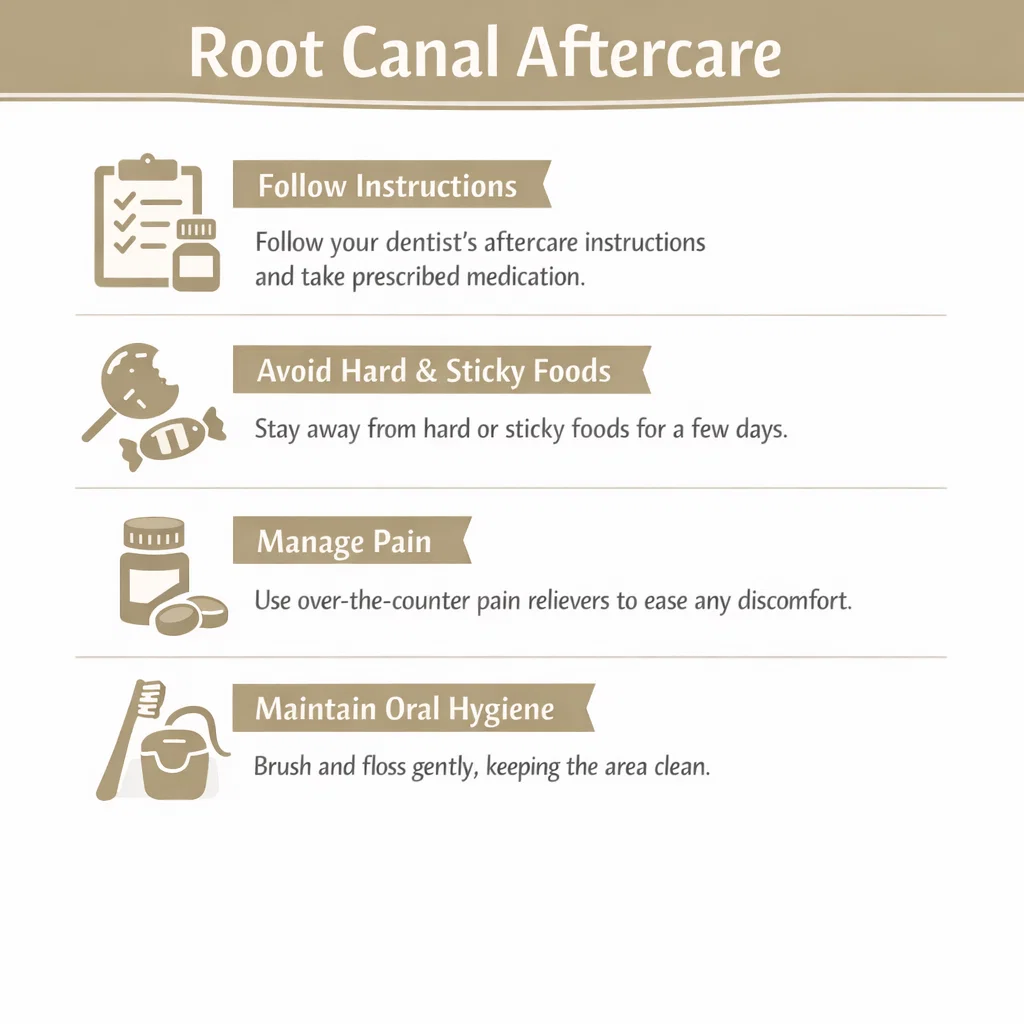
Root Canal Aftercare
Before the root canal procedure, be prepared for the changes that will occur afterwards and how to aid in healing. The procedure is largely painless, but recovery requires some attention. Here’s what you need to know:
- Follow Post-Treatment Instructions: Dentists will give specific aftercare instructions after surgery, including any prescribed pain or infection medication. Stay tuned and follow them closely.
- Avoid Hard or Sticky Foods: For a few days, do not chew on the treated tooth or eat hard or sticky foods that put stress on your temporary filling.
- Manage Pain with OTC Medication: Mild discomfort following a root canal is common. Take over-the-counter pain relief, recommended by your dentist, to help with any soreness you feel.
- Maintain Good Oral Hygiene: Keep brushing and flossing, but be gentle around the tooth that’s been treated. Healing requires keeping your mouth clean.
These tips will help you recover smoothly and keep your tooth healthy in the long term.
Take Action and Preserve Your Smile
Root canal therapy is a tried-and-true solution for saving an injured tooth, allowing you to keep smiling for years ahead. It is important to know that early intervention saves the tooth and prevents much bigger issues.
If you are facing tooth pain or other signs of infection, a root canal may be exactly what you need. A damaged tooth doesn’t have to mean the end of your smile. Call us at Eldersburg Family Dental today to schedule an appointment and get on track for many more years of healthy teeth.
Questions People Ask About Root Canal Treatment
1. What are the signs that I need a root canal?
Common symptoms include persistent tooth pain, sensitivity to hot or cold, swelling, or tenderness when chewing. If you notice any of these signs, it’s important to consult a dentist promptly.
2. Is a root canal procedure painful?
The procedure itself is typically painless due to local anesthesia. After the treatment, mild discomfort is common and can be managed with over-the-counter pain relievers.
3. How long does a root canal take?
A root canal usually takes about 1-2 hours. Complex cases may require additional time or a follow-up visit to place the permanent crown.
4. Can a root canal fail?
While rare, a root canal can fail if the tooth becomes reinfected or if it wasn’t sealed properly. Regular checkups are essential to ensure the tooth remains healthy.
5. How long does a root canal last?
With proper care, a root canal-treated tooth can last for many years, even a lifetime. It’s crucial to maintain good oral hygiene to keep the treated tooth in optimal condition.
6. Can a root canal save a cracked tooth?
If the crack affects the pulp or nerve, a root canal can often save the tooth. Your dentist will assess the damage and determine the best course of action.