Root Canal Myths That Keep Patients in Unnecessary Pain
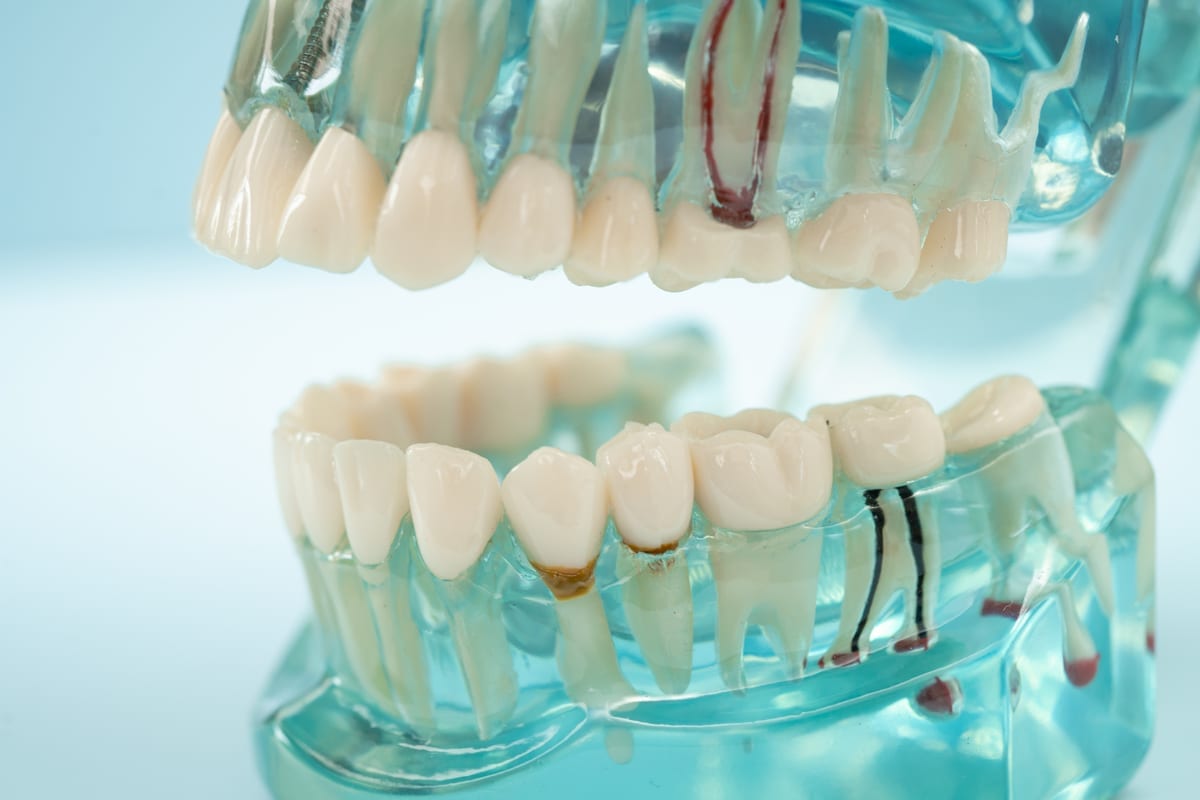
Root canal myths that keep patients in unnecessary pain in Eldersburg are more common than you might think. Many people delay or avoid this procedure out of fear. But that fear is almost always rooted in outdated information. Dr. Lisa Patel at Eldersburg Family Dental wants to set the record straight — because suffering with tooth pain is far worse than the treatment itself.
Why Root Canal Myths Still Spread in Eldersburg
Dental fear is real, and it often gets passed down through generations. Someone tells a horror story from decades ago, and that story spreads. The problem is that dentistry has changed dramatically since then.
Modern techniques, tools, and anesthesia have completely transformed root canal treatment. What once may have been uncomfortable is now routine and manageable. Yet the old reputation lingers.
Patients in Eldersburg sometimes wait weeks with severe tooth pain before seeking care. They endure sleepless nights and throbbing discomfort — all to avoid a procedure that could have relieved their pain quickly. That delay is the real source of suffering, not the root canal itself.
Does a Root Canal Actually Hurt? The Honest Answer
This is the most common question Dr. Patel hears. The honest answer is: not during the procedure. Modern local anesthesia numbs the area completely before treatment begins. You should feel pressure but not sharp pain.
If you feel anything uncomfortable, your dentist can adjust the anesthesia right away. You are always in control. Communication with your provider makes a significant difference in your comfort level.
Most patients report that the procedure feels similar to getting a filling. The anticipation is almost always worse than the reality. Understanding what actually happens step by step can help reduce anxiety significantly.
- Local anesthesia is applied before any work begins
- The area is fully numb within a few minutes
- The dentist removes infected pulp from inside the tooth
- The canals are cleaned, shaped, and sealed
- A temporary or permanent crown is placed to protect the tooth
What Patients Feel During vs. After Treatment
During the procedure, most patients feel nothing painful at all. You may notice pressure or vibration from the dental instruments. Some people feel a slight ache if the infection was severe before treatment. Your dentist will monitor your comfort throughout the entire appointment.
After the procedure, mild soreness is completely normal. The tissue around the tooth may feel tender for a few days. This is your body responding to the work done — not a sign that something went wrong.
Over-the-counter pain relievers typically manage post-treatment discomfort well. Most patients return to normal activities the very next day. The lingering pain from an untreated infected tooth is almost always more intense than recovery from a root canal.
- Soreness typically peaks within 24 to 48 hours after treatment
- Swelling is uncommon but can occur with severe infections
- Avoid chewing on the treated side until your crown is placed
- Stick to soft foods for the first day or two
- Contact your dentist if pain worsens after three days
Common Root Canal Myths Debunked
Let’s address the most persistent myths directly. These misunderstandings are exactly what keeps Eldersburg patients living with avoidable pain.
Myth 1: Root canals cause illness. This claim originated from poorly conducted research nearly a century ago. Modern science has thoroughly debunked it. Root canal treatment removes infection — it does not create new health problems.
Myth 2: It’s better to pull the tooth. Saving your natural tooth is almost always the better option. Extractions create their own complications, including bone loss and shifting teeth. Many patients later pursue Implant Dentistry Eldersburg to replace pulled teeth — a process that costs more and takes longer than saving the tooth originally.
Myth 3: You only need a root canal if you have pain. Some infected teeth cause no pain at all. Your dentist detects infection through X-rays and clinical exams. Waiting for pain to develop means waiting for the problem to get worse.
Myth 4: Root canals require multiple painful visits. Many root canals are completed in a single appointment. Complex cases may require two visits. Either way, each visit is comfortable with proper anesthesia.
When You Should Not Wait — Signs You Need Urgent Care
Dental infections do not improve on their own. They can spread to surrounding tissue, bone, and even the jaw. Recognizing urgent warning signs helps you act before the situation becomes dangerous.
If you experience severe tooth pain, facial swelling, or a fever alongside tooth pain, seek care immediately. These symptoms suggest a spreading infection that needs prompt attention. Emergency Dentistry Eldersburg is available for patients who need same-day evaluation and relief.
Do not let root canal myths that keep patients in unnecessary pain in Eldersburg stop you from getting the help you need. The longer an infection goes untreated, the more complex — and costly — the treatment becomes. Early intervention is always the smarter choice.
What Recovery Really Looks Like
Recovery from a root canal is typically straightforward. Most patients feel noticeable improvement within 48 to 72 hours. The infection is gone, and the source of your chronic tooth pain has been addressed.
Dr. Patel recommends taking any prescribed medications as directed. Keep up with gentle oral hygiene around the treated area. Avoid hard or crunchy foods until your permanent crown is in place.
Follow-up appointments matter. Your dentist needs to confirm healing and place your final restoration. Skipping this step leaves your tooth vulnerable to re-infection or fracture. Full recovery depends on completing the entire treatment plan.
Most patients look back and wish they had scheduled the appointment sooner. The dread they felt beforehand was far more painful than the procedure itself. Modern dentistry exists to make your experience comfortable — and Dr. Patel’s team at Eldersburg Family Dental is committed to exactly that.
You deserve to eat, sleep, and live without constant tooth pain. Book Now to schedule your appointment with our team.
Frequently Asked Questions
Is a root canal painful with modern anesthesia?
No. With modern local anesthesia, you should feel no sharp pain during the procedure. Most patients feel only mild pressure. If you feel any discomfort, your dentist can add more anesthesia right away.
How long does it take to recover from a root canal?
Most patients feel significantly better within two to three days. Mild soreness is normal during this time. Over-the-counter pain relievers typically manage discomfort well, and most people return to normal activities the next day.
How do I know if I need a root canal?
Common signs include severe toothache, prolonged sensitivity to heat or cold, darkening of the tooth, and swelling or tenderness in nearby gums. Some infected teeth show no obvious symptoms. Regular dental exams help catch problems early through X-rays.
Can I avoid a root canal by just pulling the tooth?
Extraction is rarely the better option. Removing a tooth creates bone loss, shifts neighboring teeth, and often leads to additional dental work later. Saving your natural tooth with a root canal is almost always preferable for your long-term oral health.
What happens if I delay root canal treatment?
Delaying treatment allows the infection to spread. It can reach surrounding bone and tissue, becoming far more serious and complex to treat. Early treatment is simpler, less expensive, and far less painful than waiting until the infection worsens.