Veneers vs. Bonding: Which Smile Fix Actually Lasts Longer
If you have a chipped, stained, or uneven tooth, you have probably wondered about your options. Two of the most popular cosmetic fixes are veneers and dental bonding. When it comes to Veneers vs. Bonding: Which Smile Fix Actually Lasts Longer in Eldersburg, the answer depends on your goals, budget, and lifestyle. Dr. Lisa Patel at Eldersburg Family Dental helps patients weigh these options every day.
Both treatments can dramatically improve your smile. But they work very differently. Understanding those differences helps you make a confident, informed decision before sitting in the dental chair.
What Are Veneers and Dental Bonding?
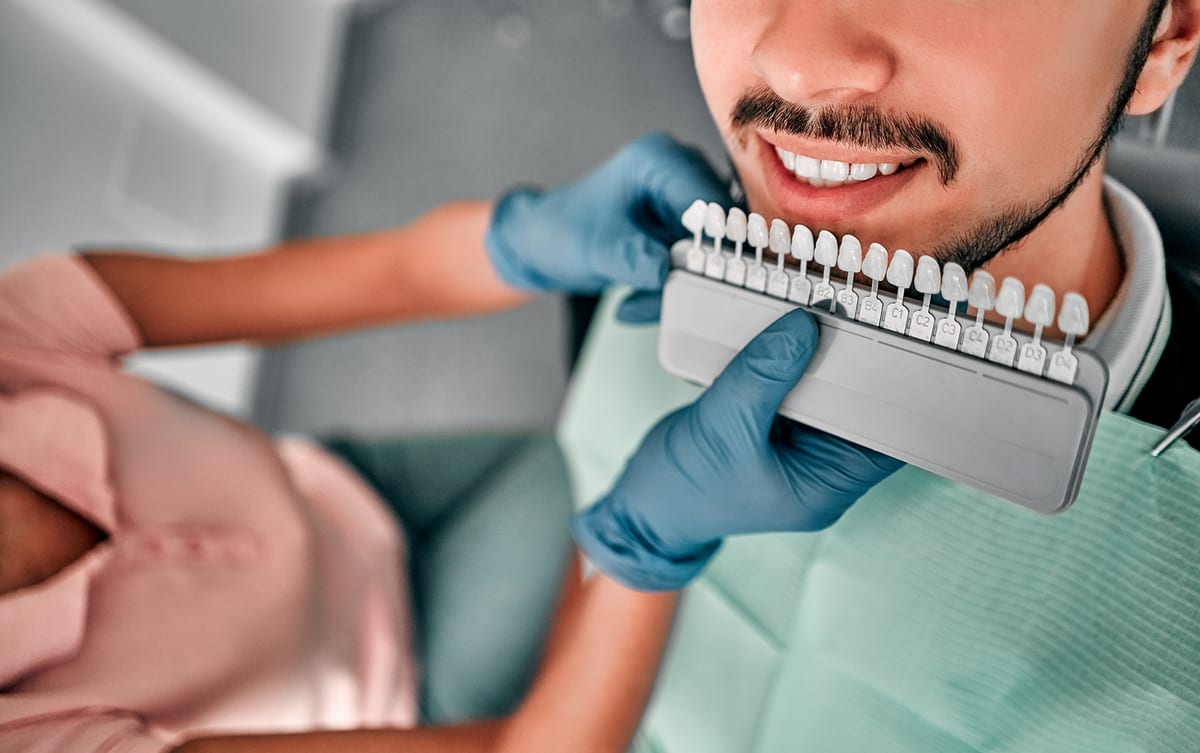
Veneers are thin, custom-made shells — usually porcelain — bonded to the front surface of your teeth. They are crafted in a dental lab to match your exact shape and shade. The process typically takes two appointments. They are a long-term investment in a polished, uniform smile.
Dental bonding uses a tooth-colored resin applied directly to your tooth. Your dentist sculpts and hardens it in a single visit. It is a faster, less expensive option for minor cosmetic concerns. Bonding works well for small chips, gaps, or discoloration.
- Veneers: Porcelain or composite shells, lab-crafted, highly durable
- Bonding: Resin applied chairside, completed in one visit
- Veneers: Require light enamel removal for proper fit
- Bonding: Minimally invasive with little to no enamel removal
- Both: Match your natural tooth color for a seamless look
Knowing the basics of each treatment sets the stage for a smarter comparison. Next, let us look at how long each option actually lasts.
Veneers vs. Bonding: Which Smile Fix Actually Lasts Longer in Eldersburg?
Longevity is often the deciding factor for Eldersburg patients. Porcelain veneers typically last 10 to 20 years with proper care. They resist staining better than natural enamel. Their ceramic surface holds up well against everyday wear.
Dental bonding, on the other hand, generally lasts 3 to 10 years. The resin material is more porous than porcelain. It can chip, stain, or wear down faster — especially if you bite your nails or chew ice. Touch-ups or full replacements become necessary over time.
That said, bonding is easy to repair. If it chips, your dentist can often fix it in a single short appointment. Veneers, if damaged, typically require a full replacement. Repair costs are an important part of the long-term value equation.
For Eldersburg patients who want a low-maintenance, lasting result, veneers often win on longevity. For those who want a quick, reversible fix, bonding offers real practical appeal.
Comparing Cost and Invasiveness
Cost is a significant factor for most patients. Dental bonding is considerably less expensive per tooth than porcelain veneers. The single-visit process also means less time off work. For minor cosmetic issues, bonding delivers strong value.
Veneers carry a higher upfront cost. However, their longer lifespan can make them more cost-effective over a decade or more. You spend more now but replace them far less often. Many patients consider this a worthwhile trade-off.
- Bonding pros: Lower cost, one visit, reversible, easy to repair
- Bonding cons: Shorter lifespan, stains more easily, less durable
- Veneers pros: Longer lasting, stain-resistant, highly aesthetic results
- Veneers cons: Higher cost, requires enamel removal, not reversible
Invasiveness is another key difference. Veneers require your dentist to remove a thin layer of enamel. This is permanent and cannot be undone. Bonding requires little to no enamel removal, making it a more conservative choice. Patients who want to preserve as much natural tooth structure as possible often start with bonding.
Which Option Is Right for Your Specific Concern?
Your individual concern matters more than a general preference. Each cosmetic issue responds better to one treatment over the other. Dr. Lisa Patel tailors recommendations to your unique situation. Here is a practical breakdown by concern.
For a single chipped tooth, bonding is often the fastest and most affordable fix. For deep or intrinsic staining that whitening cannot address, veneers provide superior coverage. For multiple teeth you want to reshape or whiten uniformly, veneers create a more consistent result. For small gaps between teeth, bonding can close them quickly without major work.
Veneers also excel when patients want a complete smile transformation. They cover imperfections across multiple teeth with precision and uniformity. Bonding is better suited to isolated, minor corrections. Think of bonding as a targeted spot treatment and veneers as a full-smile overhaul.
Some patients even combine both approaches strategically. Bonding on back teeth for functional repairs, veneers on front teeth for aesthetics. A comprehensive consultation with Dr. Patel helps you build the smartest plan for your smile and your budget.
Other Smile Concerns to Consider
Sometimes a cosmetic concern points to a deeper issue. A chipped tooth might indicate grinding or bite problems. Severe discoloration could signal underlying decay or enamel erosion. Addressing these issues first protects your cosmetic investment.
If you have had a dental emergency that cracked or broke a tooth, prompt care is critical. Emergency Dentistry Eldersburg services at Eldersburg Family Dental can stabilize your tooth before cosmetic work begins. Rushing into bonding or veneers on a compromised tooth can lead to early failure.
For patients missing teeth entirely, cosmetic treatments like veneers and bonding only address visible surfaces. Implant Dentistry Eldersburg offers a permanent foundation for replacing missing teeth before any cosmetic finishing touches. A healthy, complete smile is always the best canvas for cosmetic work.
How Dr. Lisa Patel Approaches Cosmetic Consultations in Eldersburg
At Eldersburg Family Dental, cosmetic consultations are collaborative and educational. Dr. Patel listens carefully to what you dislike about your current smile. She then explains exactly how each option addresses your specific concern. No pressure, no guesswork — just clear information.
She considers your tooth health, bite, enamel thickness, and long-term goals. She also takes photos and walks you through expected outcomes. This approach ensures you understand what you are committing to before any treatment begins. Patients leave consultations feeling informed and confident.
Eldersburg families trust Dr. Patel because she never recommends more than you need. If bonding solves your problem effectively, she will tell you. If your goals truly require veneers, she will explain why clearly and honestly.
Conclusion: Making the Right Smile Choice
Both veneers and dental bonding are excellent cosmetic tools — but they serve different needs. Bonding is fast, affordable, and reversible. Veneers are durable, stain-resistant, and transformative. The right choice comes down to your concern, your goals, and how long you want results to last. A personalized consultation is the smartest first step. Book Now to schedule your appointment with our team.
Frequently Asked Questions
How long do veneers last compared to dental bonding?
Porcelain veneers typically last 10 to 20 years with proper care. Dental bonding generally lasts 3 to 10 years before needing a touch-up or replacement. Your oral habits and maintenance routine significantly affect how long either treatment holds up.
Is dental bonding a good alternative to veneers?
Yes, for minor cosmetic concerns like small chips or gaps, bonding is an excellent alternative. It is less expensive, requires no enamel removal, and can be completed in one visit. However, for more extensive cosmetic improvements, veneers typically deliver more durable and uniform results.
Do veneers require removing tooth enamel?
Yes, porcelain veneers require a small amount of enamel to be removed from the tooth surface. This ensures a proper, natural-looking fit. The process is permanent, so it is important to discuss this fully with Dr. Patel before proceeding.
Can dental bonding stain over time?
Dental bonding resin is more porous than porcelain and can stain from coffee, tea, red wine, and tobacco. Veneers are more resistant to staining. Patients who choose bonding should be mindful of dietary habits to extend the life of their treatment.
How do I know which option is right for me in Eldersburg?
The best way to decide is to schedule a cosmetic consultation at Eldersburg Family Dental. Dr. Lisa Patel will evaluate your teeth, discuss your goals, and recommend the most effective and conservative treatment for your specific situation. There is no one-size-fits-all answer — personalized guidance makes all the difference.