Dental Implants vs. Dentures in Sykesville, MD
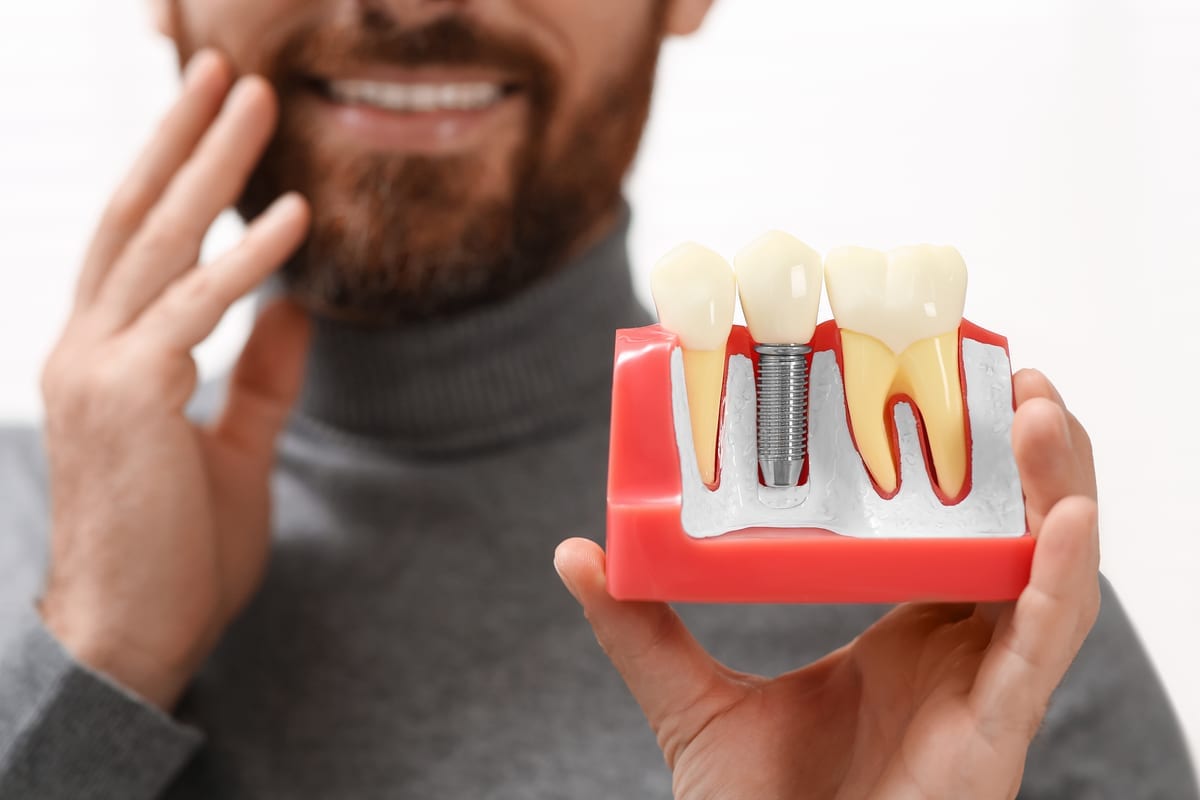
If you’ve lost one or more teeth, you’re facing a big decision. When weighing dental implants vs. dentures, knowing which choice fits your life in Sykesville can feel overwhelming. Dr. Lisa Patel at Eldersburg Family Dental helps patients make confident, informed decisions every day. This guide breaks down both options — and bridges too — so you can figure out what actually works for your lifestyle, budget, and long-term goals.
Understanding Your Tooth Replacement Options in Sykesville
Missing teeth affect more than just your smile. They can change how you speak, what you eat, and how you feel about yourself. Fortunately, modern dentistry offers several reliable solutions. The three most common options are dental implants, dentures, and dental bridges.
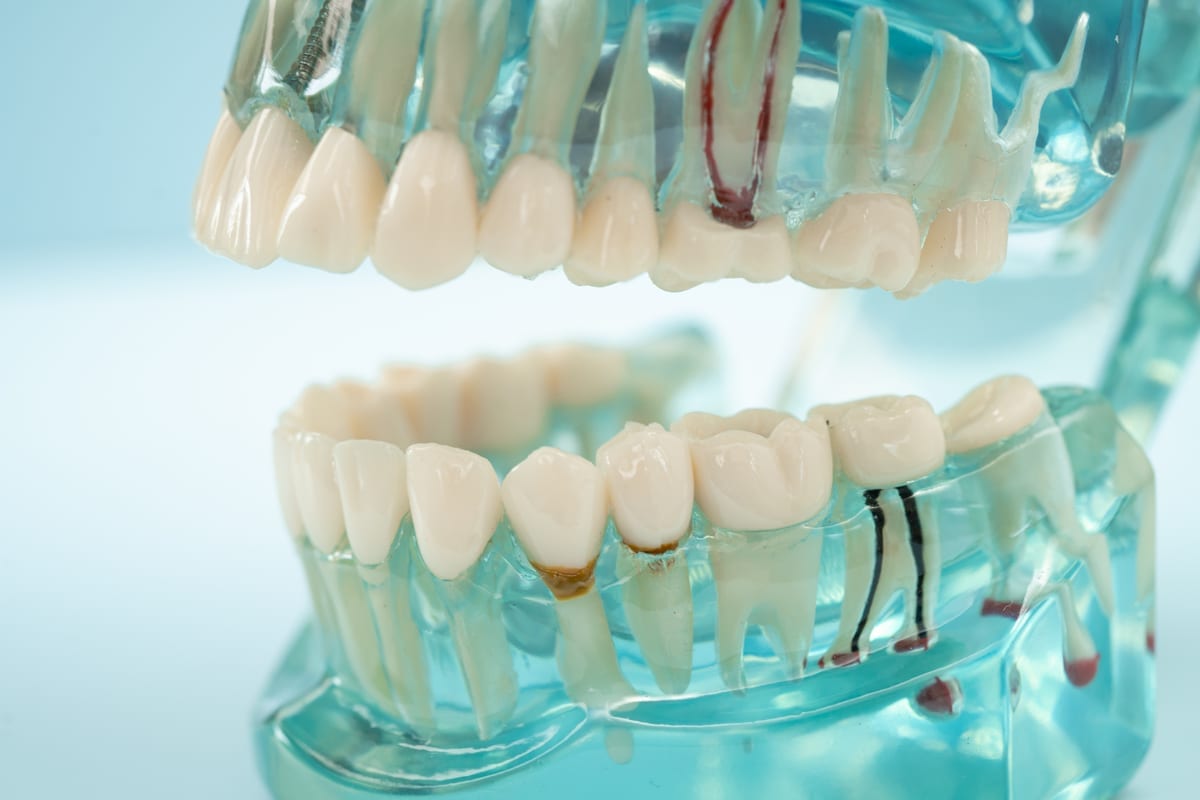
Dental implants are titanium posts surgically placed into your jawbone. They act like natural tooth roots and support a crown on top. They’re a long-term solution that looks and functions almost exactly like a real tooth.
Dentures are removable appliances that replace multiple missing teeth. Full dentures replace an entire arch. Partial dentures fill in gaps when some natural teeth remain.
Dental bridges are fixed restorations that span a gap between two healthy teeth. They don’t require surgery, but they do rely on neighboring teeth for support. Understanding each option is the first step toward making the right choice.
Dental Implants vs. Dentures: Key Differences to Know
The most important differences come down to permanence, comfort, and bone health. Implants are fixed in place — they don’t slip, click, or need adhesive. Dentures can shift, especially as your jaw changes shape over time.
Here’s a side-by-side comparison of both options:
- Stability: Implants are anchored to the jawbone; dentures rest on the gums
- Bone health: Implants stimulate the jawbone and prevent bone loss; dentures do not
- Maintenance: Implants are cleaned like natural teeth; dentures require nightly removal and soaking
- Lifespan: Implants can last decades with proper care; dentures typically need replacement every 5–10 years
- Feel: Implants feel natural; dentures may feel bulky or loose over time
- Procedure: Implants require surgery and healing time; dentures involve impressions and fittings
Neither option is universally better. The right choice depends on your individual health, goals, and circumstances. That’s why a personalized consultation with Dr. Patel matters so much.
Who Is a Good Candidate for Dental Implants?
Dental implants work best for patients who have sufficient jawbone density. Your bone needs to support the titanium post for the implant to succeed. If bone loss has already occurred, a bone graft may be needed first.
Good candidates for Implant Dentistry typically share a few key traits:
- Healthy gums with no active periodontal disease
- Adequate bone volume in the jaw
- Non-smoker or willing to quit before and after the procedure
- Committed to good oral hygiene habits
- No uncontrolled systemic conditions that impair healing
Implants are also a great choice for patients who want a low-maintenance, long-lasting solution. They’re especially popular among active adults who want to eat, speak, and smile without restrictions. Many Sykesville patients tell Dr. Patel that implants changed their quality of life dramatically.
When Dentures or Bridges Might Be the Better Fit
Dentures aren’t the outdated option they once were. Modern dentures are more comfortable and natural-looking than ever before. They can be a practical, effective solution for the right patient.
Dentures may be a better fit if you need to replace many teeth at once. They’re also more accessible for patients who aren’t candidates for surgery due to health conditions. Cost can also be a factor — dentures typically require a lower upfront investment than implants.
Dental bridges are a strong middle-ground option. They’re fixed (non-removable), more affordable than implants, and don’t require surgery. However, they do rely on adjacent healthy teeth, which are reshaped to support the bridge.
Here are situations where dentures or bridges often make more sense:
- You need to replace a full arch of teeth quickly
- Significant bone loss makes implant surgery risky without grafting
- You prefer a non-surgical approach
- Your adjacent teeth already need crowns or significant restoration
Dr. Patel will evaluate your full oral health picture before recommending any treatment. There’s no one-size-fits-all answer — and she won’t push you toward the most expensive option just because it exists.
What the Treatment Process Looks Like at Eldersburg Family Dental
Understanding the timeline helps patients plan ahead. Implants involve multiple stages spread over several months. The process starts with a consultation and imaging, then implant placement, then healing, then crown placement.
Dentures move faster. After extractions (if needed), impressions are taken and a custom appliance is fabricated. You can often have functioning dentures within a few weeks. Bridges typically require two appointments over a few weeks.
Dr. Patel and the team at Eldersburg Family Dental walk every patient through each step. You’ll never be left guessing what comes next. For patients dealing with pain or a dental emergency during this process, our Emergency Dentistry services are available to help right away.
Sykesville and the surrounding Carroll County area have access to full-service dental care right here locally. You don’t need to travel far to get expert guidance on tooth replacement. Dr. Patel’s team makes the process straightforward and stress-free from start to finish.
Making the Right Choice for Your Life and Smile
The best tooth replacement option is the one that fits your health, your habits, and your goals. Implants offer unmatched longevity and function. Dentures offer speed and accessibility. Bridges offer a fixed, non-surgical middle ground.
No article can replace a real conversation with a dentist who examines your specific situation. Dr. Patel takes the time to understand what matters most to each patient. Whether you’re in Sykesville, Eldersburg, or the surrounding area, help is close by.
Your smile deserves a thoughtful decision — not a rushed one. Take the first step toward a solution that fits your life. Book Now to schedule your appointment with our team.
Frequently Asked Questions
How long do dental implants last compared to dentures?
Dental implants can last 20 years or longer with proper care — many patients keep them for life. Dentures typically need to be replaced every 5 to 10 years as the shape of your jaw changes over time. Implants also preserve jawbone, which helps maintain your facial structure long-term.
Are dental implants painful to get?
Most patients report that the procedure is more comfortable than they expected. Local anesthesia is used during placement, so you shouldn’t feel pain during the surgery itself. Some soreness and swelling are normal during healing, but this is typically manageable with over-the-counter pain relief.
Can I switch from dentures to dental implants later?
Yes, many patients transition from dentures to implants. However, long-term denture use can lead to bone loss, which may require a bone graft before implants are placed. Dr. Patel will evaluate your bone density and overall oral health to determine what’s needed for a successful transition.
Is there an age limit for getting dental implants?
There’s no upper age limit for implants — healthy adults of any age can be good candidates. The key factors are bone density, gum health, and overall medical health, not age. Many of Dr. Patel’s implant patients are in their 60s, 70s, and beyond.
What happens if I do nothing about a missing tooth?
Leaving a gap untreated can lead to bone loss in the jaw, shifting of neighboring teeth, and bite problems. Over time, this can cause additional tooth loss and changes to your facial appearance. Acting sooner rather than later gives you the most treatment options and the best long-term outcomes.