Dental Implants: What You Need to Know
Dental Implants: A Complete Guide to Restoring Your Smile
Dental Implants are one of the most effective solutions for replacing missing teeth. They look, feel, and function like natural teeth. Many patients find they restore both confidence and daily comfort. At Eldersburg Family Dental, our dental team believes in helping patients understand every step of the process before making any decisions.
What Are Dental Implants?
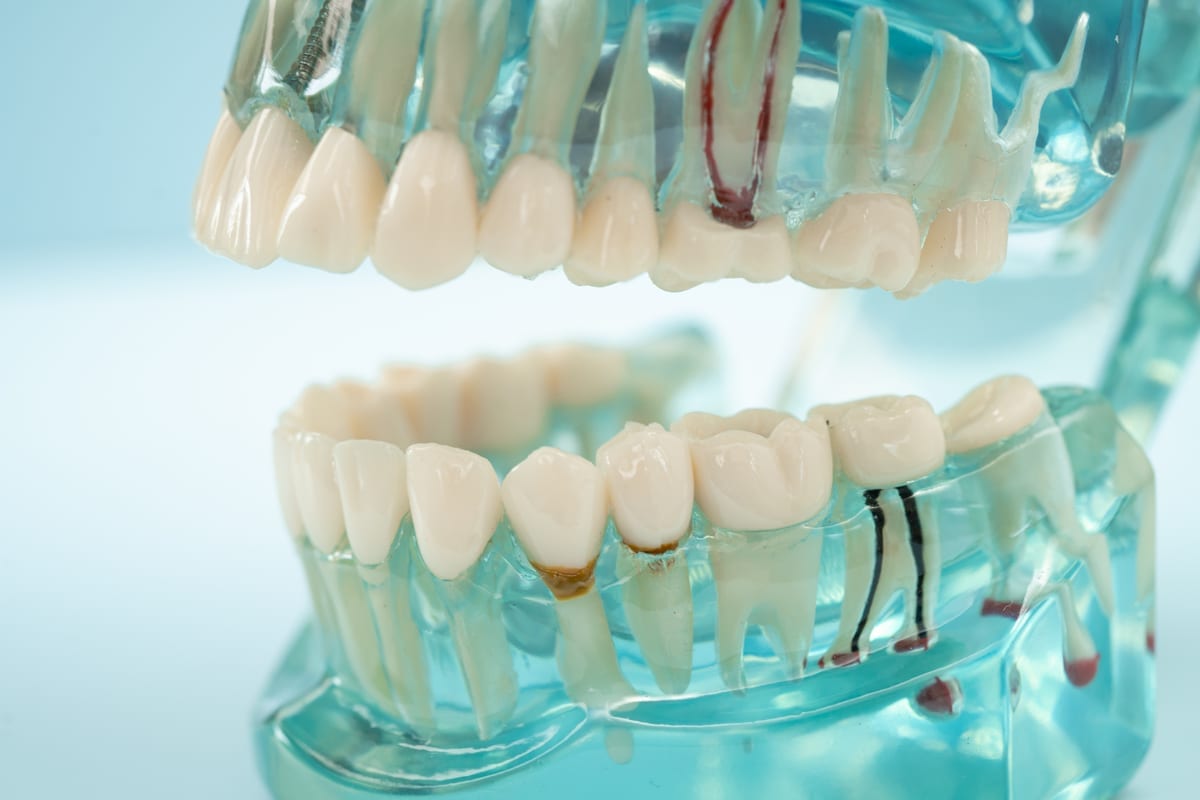
A dental implant is a small titanium post. It is placed into the jawbone where a tooth is missing. Over time, the bone fuses with the post in a process called osseointegration. This creates a stable foundation for a replacement tooth. The final restoration — called a crown — is attached on top. The result closely mimics the structure of a natural tooth.
Implants consist of three main parts. First, the titanium post acts as the tooth root. Second, an abutment connects the post to the crown. Third, the custom crown provides the visible, biting surface. Each component works together for a seamless, natural-looking result. Understanding this structure helps patients feel more confident about the process.
Who Is a Good Candidate for Dental Implants?
Most healthy adults with missing teeth may qualify for implants. Good candidates generally have healthy gums and adequate jawbone density. A thorough evaluation helps determine if implants are the right choice. Our dental team reviews medical history, takes X-rays, and assesses overall oral health. This ensures each patient receives a personalized recommendation.
Certain factors can affect candidacy. Smoking, uncontrolled diabetes, and bone loss may require additional planning. Younger patients whose jaws are still developing are usually not candidates yet. Some patients may need a bone graft before placement. This builds up the jawbone to support the implant securely. A detailed consultation helps clarify what steps are needed.
The Dental Implant Placement Process
The implant process typically happens in several stages. First, the titanium post is surgically placed into the jawbone. Local anesthesia is used so the procedure is comfortable. After placement, a healing period of several months begins. During this time, the bone gradually bonds with the post. Patients can often use temporary restorations while they heal.
Once healing is complete, the abutment is attached to the post. Impressions are then taken to create the custom crown. The crown is carefully matched to surrounding teeth in color and shape. Finally, the crown is secured to the abutment. The entire process may take several months from start to finish. However, the long-term results are designed to last many years with proper care.
Benefits of Choosing Dental Implants
Implants offer several advantages over other tooth replacement options. They do not rely on neighboring teeth for support. Unlike removable dentures, implants stay fixed in the mouth. This means no slipping or discomfort while eating or speaking. Patients often report feeling more natural and confident in daily life. The stability of implants makes routine activities much easier.
Another key benefit is bone preservation. When a tooth is lost, the jawbone beneath it can begin to shrink. Implants stimulate the bone just like natural tooth roots. This helps maintain bone volume over time. Preserving the jawbone also supports facial structure. This can help prevent the sunken appearance that sometimes follows tooth loss.
Caring for Your Dental Implants
Caring for implants is straightforward. Brushing twice daily and flossing regularly are essential habits. A soft-bristled toothbrush and non-abrasive toothpaste work well. Rinsing with an antibacterial mouthwash adds extra protection. Routine dental checkups allow the team to monitor implant health. Consistent care helps implants last for decades.
Certain habits can affect implant longevity. Chewing on hard objects like ice or pen caps puts excess stress on crowns. Grinding teeth, known as bruxism, can also cause damage over time. A custom nightguard may be recommended if grinding is a concern. Avoiding tobacco products is also strongly advised. These habits protect both the implant and surrounding oral tissues. Visit our services page to learn about supportive dental care options available at our practice.
How Dental Implants Compare to Other Options
Patients with missing teeth often consider bridges or dentures as alternatives. A dental bridge uses adjacent teeth as anchors to support a false tooth. This requires reshaping healthy neighboring teeth. Implants, by contrast, stand independently and leave neighboring teeth untouched. For long-term oral health, this distinction matters greatly.
Removable dentures are another common option. They are less invasive initially but require adhesives and regular removal. Many patients find daily maintenance inconvenient. Implants eliminate this concern entirely. They are cleaned just like natural teeth. For patients seeking a permanent, low-maintenance solution, implants are often the preferred choice. Learn about our dental team and our approach to personalized care.
Conclusion
Dental Implants represent a long-term investment in oral health and quality of life. They restore function, appearance, and bone health simultaneously. The process requires patience, but the outcomes are highly rewarding for most patients. Our dental team at Eldersburg Family Dental is here to guide you through every stage with education and care. Learn More about how we can help you.
Frequently Asked Questions
How long do dental implants last?
With proper care, dental implants can last 20 years or longer. The crown portion may need replacement after 10 to 15 years due to normal wear. Regular checkups and good oral hygiene significantly extend their lifespan.
Is the dental implant procedure painful?
Most patients report less discomfort than expected. Local anesthesia is used during placement to minimize pain. Some soreness and swelling may occur in the days following the procedure. Over-the-counter pain relievers are usually sufficient for managing post-procedure discomfort.
How long does the entire implant process take?
The full process typically takes between three and nine months. This timeline includes healing time after the post is placed. Additional procedures like bone grafting can extend the timeline. Your dental team will give you a personalized estimate during your consultation.
Can dental implants fail?
Implant failure is uncommon but can occur. Risk factors include smoking, poor oral hygiene, and certain medical conditions. Signs of a potential problem include pain, swelling, or implant movement. Early intervention is important, so contacting your dental team promptly is always recommended.
Are dental implants suitable for teenagers?
Dental implants are generally not recommended for teenagers. The jawbone must be fully developed before implant placement. This typically occurs in the early-to-mid twenties. A dental evaluation can determine the appropriate timing for younger patients.